Choosing the right roofing sheets is only one part of creating a secure, weather-resistant roof. The fixings used to hold those sheets in place are just as important.
Roofing sheet fixings come in several forms, including screws, nails, washers, caps and specialist fixing buttons. The correct option will depend on the type of roofing sheet, its profile, the supporting structure beneath it and the manufacturer's installation requirements.
Using an unsuitable fixing, placing fixings incorrectly or overtightening them can potentially damage roofing sheets or compromise the weather resistance of the finished roof.
In this guide, we explain the main types of roofing sheet fixings, what they are used for and what to consider when choosing fixings for different sheet materials. For a broader look at the installation process, see our How to Install Roofing Sheets guide.
If you are still deciding which type of sheet is right for your project, our Roofing Sheets Buyer’s Guide covers the different materials, their benefits and common applications.
Roof sheet fixings secure the roofing material to the supporting structure below, such as timber battens, purlins or a steel framework.
However, simply holding a sheet in position is not their only job. The correct fixing system can also help:
This is why fixings should be selected to suit the roofing sheet rather than treating screws or nails as interchangeable between different materials.
Here at Roof Giant, we offer a range of roofing sheet fixings and accessories designed for different sheet profiles and applications.
The exact fixing system varies between roofing materials, but there are several components you are likely to encounter.
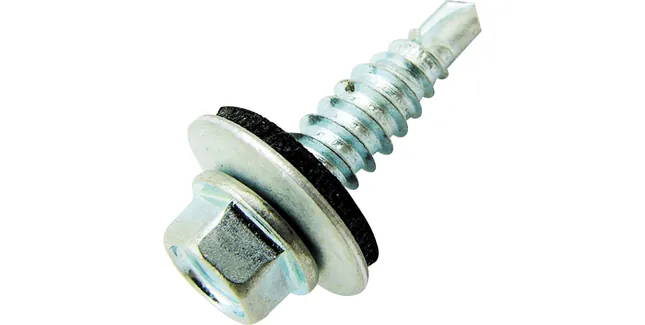
Screws are one of the most common ways of securing roofing sheets.
Depending on the product, they may be designed for fixing into timber, steel or another suitable substrate. Roofing screws are available in different lengths, head designs and materials, so it is important to choose a fixing suitable for both the sheet and the structure beneath it.
Some metal roofing installations, for example, use Tek-style or self-drilling screws. These can simplify installation because the fixing is designed to drill into the supporting material as it is driven.
Roof Giant stocks a wide selection of roofing screws for different roofing applications, including washered drillers, timber drillers and specialist roofing fixings.
Roofing nails are another common fixing option for certain types of roof sheeting. Here at Roof Giant, we offer an extensive range of roofing nails from leading manufacturers including Champion, Redland, Samac and Olympic Fixings.
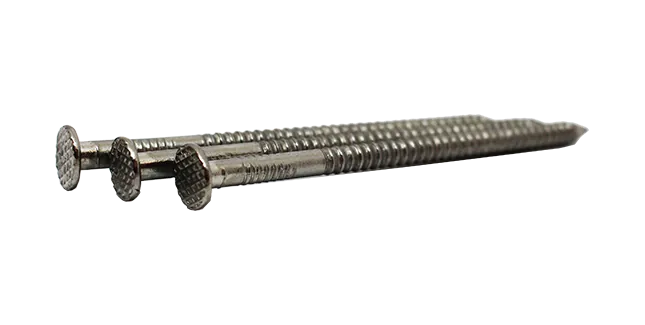
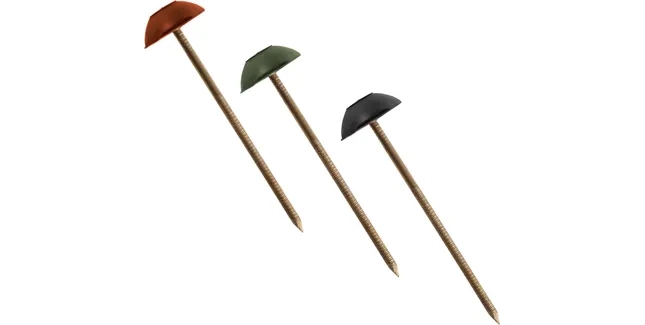
Specialist roofing nails are commonly used with certain sheet materials, particularly corrugated bitumen roofing. Unlike standard general-purpose nails, they are designed specifically for roofing applications and may feature shaped or capped heads to help protect the fixing point from the elements.
Our bitumen sheet fixing range includes compatible nails and screws, as well as ridges, edge pieces and fillers to help complete your installation.
Always use fixings that are suitable for your chosen roofing sheets and follow the manufacturer’s recommended fixing pattern and quantity.
A roofing fixing often needs more than just a screw.
Washers and sealing gaskets sit around the fixing point and can help distribute pressure while creating a weather-resistant seal around the hole.
Neoprene and similar sealing washers are commonly found as part of roofing fixing systems. On suitable products, the washer compresses as the fixing is tightened, helping prevent water from travelling down the fixing and through the sheet.
It is important not to overtighten the fixing. Excessive pressure can deform the washer or roofing sheet rather than improving the seal.
Caps fit over or form part of the fixing to provide additional protection and create a cleaner finish.
They are particularly common with plastic roofing systems. Roof Giant's PVC fixings and polycarbonate fixings ranges, for example, include caps, screws and washers designed for compatible sheet profiles.
As well as helping protect the fixing, caps may be clear or colour matched so that they blend more naturally into the finished roof.
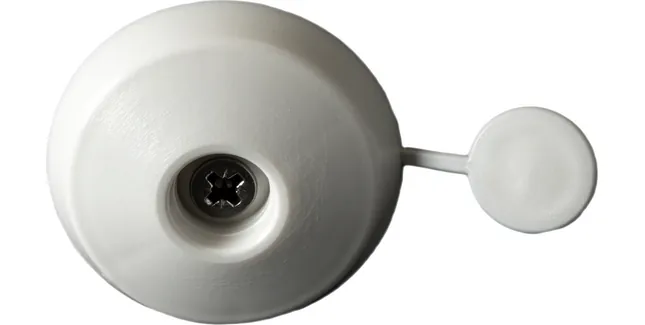
Multiwall polycarbonate sheets can require a different approach from conventional corrugated roofing.
Specialist fixing buttons are designed to secure the sheet while spreading the load across a larger area. Some systems also incorporate a sealing gasket and a cover over the screw.
Roof Giant's polycarbonate sheet fixings and accessories include fixing buttons alongside glazing bars, profiles, sealing tapes, screws, washers and other accessories.
For example, Solstice Polycarbonate Fixing Buttons are designed for securing polycarbonate sheets to a timber subframe and include a neoprene gasket to help create a water-resistant seal.
There is no single roofing sheet fixing that is suitable for every roof. The fixing method should always match the sheet material, profile and manufacturer's instructions.
Metal roofing sheets generally require robust screws suitable for the substrate underneath.
Fixing requirements can also vary according to the profile of the sheet. Our Box Profile Roofing Sheets Guide explains how box profile sheets are constructed and commonly used, while Corrugated vs Box Profile Roofing Sheets compares the two profiles in more detail.
Within our metal sheet fixings range, Roof Giant supplies compatible accessories including Wood Tek screws with washers, Tek screw colour caps, flashings and other installation products.
When choosing a fixing, check whether you are fixing into timber or steel because this will influence the type and length of screw required.
You should also consider:
Correct positioning is equally important. Fixings need to secure the sheet without distorting its profile or creating unnecessary routes for water ingress.
PVC roofing sheets are lightweight and convenient for applications such as canopies, carports, lean-tos, greenhouses and smaller outbuildings. For a closer look at the material and its applications, see our PVC Roofing Sheets Guide and What Are PVC Roofing Sheets Used For?
Because PVC can naturally expand and contract as temperatures change, installation needs to accommodate this movement.
Depending on the sheet and manufacturer's instructions, holes may need to be pre-drilled slightly larger than the fixing itself. Roof Giant's Vistalux installation guidance, for example, recommends oversized pre-drilled holes to allow for natural expansion.
Sheet dimensions can also affect the installation requirements, so it is worth checking our PVC Roofing Sheets Sizes and Thickness Guide when planning your roof.
You can find compatible caps, screws, fillers, sealing strips and other products in our PVC roof sheet fixings and accessories range.
Polycarbonate roofing sheets are frequently used where natural light is wanted, including canopies, carports, conservatories and lean-to roofs.
If you are still deciding between plastic roofing materials, our PVC vs Polycarbonate Roofing Sheets guide explains the main differences between the two, while the Polycarbonate Roofing Sheets Guide looks specifically at polycarbonate options and applications.
Depending on the polycarbonate system, installation may involve a combination of:
It is particularly important to use polycarbonate sheet accessories that are compatible with the thickness and type of sheet being installed.
If you are planning a polycarbonate roof, it is therefore best to consider the complete installation system rather than purchasing the sheets first and treating the fixings as an afterthought.
Corrugated bitumen sheets commonly use dedicated roofing nails or screws that complement the sheet profile.
Roof Giant provides a whole range of bitumen sheet fixings and accessories, including compatible fixing nails, screws, ridges, verges and eaves fillers, making it easier to put together the components required for a complete installation.
Fixing positions and quantities are particularly important because they help keep lightweight corrugated sheets secure against wind uplift.
Fibre cement roofing requires fixings designed to secure the sheets without unnecessarily damaging the material.
The fibre cement sheet fixings and accessories available from Roof Giant include specialist fasteners, sealing components and accessories for agricultural, industrial and commercial roofing applications.
Always follow the sheet manufacturer's specified fixing locations, drilling requirements and support spacings when working with fibre cement.
Fixing position varies according to the sheet profile and manufacturer.
Sheet positioning and overlap also need to be planned carefully before fixing begins. Our guide to How Much Overlap Should Roofing Sheets Have? explains the considerations for different roofing sheet types.
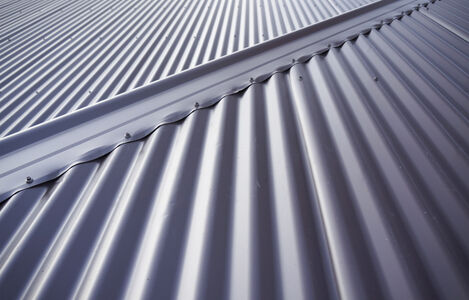
For corrugated sheets, Roof Giant's general roofing sheet installation guidance recommends using capped screws or nails to help prevent water ingress and, where possible, fixing through the crown rather than the trough of the corrugation.
However, this should not be treated as a universal rule for every type of roofing sheet.
Box profile metal sheets, polycarbonate systems, fibre cement sheets and other products may each have their own specified fixing patterns. The manufacturer's instructions should therefore take priority.
Fixings may also be positioned differently:
The number of fixings may also need to increase in areas of the roof that are more exposed to wind.
Some roofing sheets do, while others can be installed using self-drilling fixings.
Plastic sheets such as certain PVC products are commonly pre-drilled to allow space for thermal expansion. The hole should be positioned carefully and sized according to the manufacturer's instructions.
Self-drilling roofing screws can be suitable for other applications, particularly metal roofing, but the correct fixing will depend on the sheet and substrate.
Never assume that the same drilling method applies to every roofing material.
One of the most common mistakes when installing roofing sheets is overtightening the fixings.
A fixing needs to be secure enough to hold the sheet firmly and compress its washer where applicable, but excessive tightening can create problems.
Depending on the material, overtightening may:
Aim for a firm, secure fixing in accordance with the manufacturer's installation guidance rather than simply tightening every screw as far as possible.
Fixings are only part of a complete sheet roofing installation.
Depending on the type of roof, you may also require:
Foam eaves fillers, for example, are shaped to match the profile of a corrugated sheet and help close the gaps created by its raised profile. Roof Giant's general installation guidance recommends using a correctly profiled foam filler to help reduce the ingress of weather and insects at the eaves.
Planning these accessories at the same time as your roofing sheets and fixings can make installation much more straightforward.
Even good-quality roofing sheets can perform poorly if they are installed incorrectly. Some common mistakes include:
Standard screws or nails are not necessarily suitable for roof sheeting. Use fixings designed for the roofing material and substrate.
More pressure does not necessarily create a better seal. Overtightening can damage washers and deform some roofing materials.
Insufficient fixing can leave sheets vulnerable to movement and wind uplift. Follow the manufacturer's recommended fixing pattern.
Placing a fixing in the wrong part of the profile can affect both security and water resistance.
PVC, polycarbonate and other materials can expand and contract as temperatures change. The fixing system must allow for this movement where required.
Sheets, screws, caps, washers, fillers and profiles should form a compatible system. Accessories designed for one sheet profile may not fit another correctly.
Different sheets can have very different installation requirements. Following the instructions supplied with your chosen product is particularly important where compliance with installation guidance is a condition of the manufacturer's guarantee.
Before ordering your fixings, check:
The most suitable roofing sheet and fixing system will also depend on the type of structure you are covering. For more specific advice, see our guides to the Best Roofing Sheets for Sheds, Best Roofing Sheets for Garages, Best Roofing Sheets for Agricultural Buildings and Best Roofing Sheets for Carports.
The right fixings are a small but essential part of a successful roofing sheet installation. Matching them carefully to your sheet material, profile and supporting structure can help create a secure, weather-resistant roof that performs as intended.
At Roof Giant, you can find a wide selection of roofing sheets alongside compatible fixings and accessories for PVC, polycarbonate, bitumen, fibre cement, corrugated and cut-to-size roofing systems.
For more help comparing roofing sheet materials and understanding how they should be installed, take a look at our complete Roofing Sheets Buyer’s Guide.