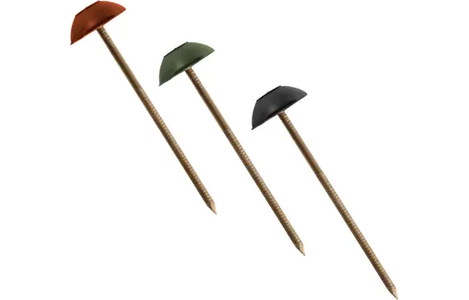
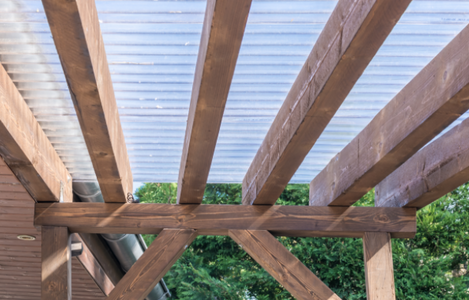
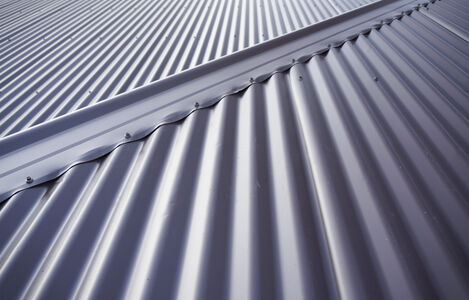
PVC roofing sheets are a lightweight and cost-effective option for many domestic, garden and light-duty roofing projects. Available in clear and translucent finishes, they provide weather protection while allowing natural light into the space below, making them particularly useful for lean-tos, carports, greenhouses, canopies and garden shelters.
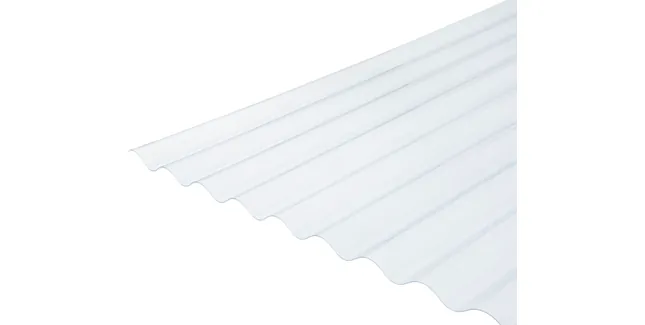
At Roof Giant, you can shop our range of PVC roofing sheets alongside compatible fixings and accessories to help complete new installations and replacement roofing projects.
If you are still deciding which roofing sheet material is right for your project, see our Roofing Sheets Buyer’s Guide to compare PVC with polycarbonate, bitumen, metal and other popular options.
PVC roofing sheets are particularly well suited to:
They may not be the best option for:
For projects with higher performance requirements, compare PVC roofing sheets with polycarbonate roofing sheets, bitumen roofing sheets and other materials in our Roofing Sheets Buyer’s Guide.
Always check the specification of the individual product to make sure it is suitable for your application.
PVC roofing sheets are plastic roof sheets made from polyvinyl chloride. They are commonly manufactured with a corrugated profile, which adds rigidity while helping rainwater drain efficiently from the roof.
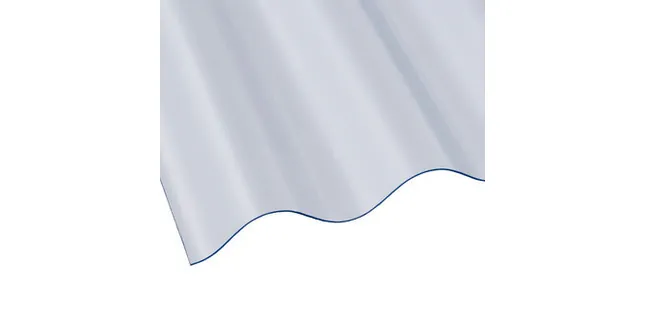
One of the key benefits of clear and translucent PVC roofing sheets is their ability to provide cover while still allowing daylight into the space below. Clear and translucent sheets can therefore be useful where both shelter and natural light are important.
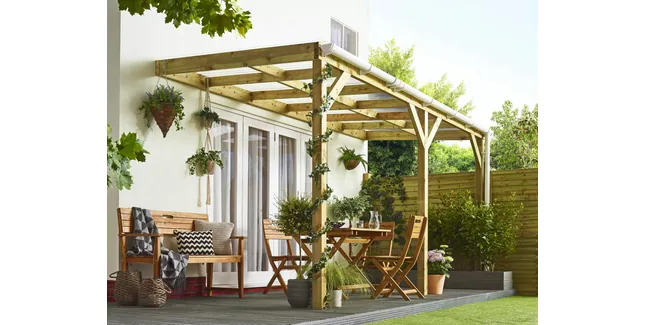
PVC roofing sheets can be used across a wide range of smaller roofing and covering projects. They are particularly useful where low weight, straightforward installation and natural light are important considerations.
These applications make good use of PVC’s combination of low weight, light transmission and relatively straightforward installation.
If your project requires greater impact resistance, strength or a particular technical performance specification, compare PVC with alternatives such as polycarbonate, bitumen or metal roofing sheets before making your choice.
One of the main advantages of PVC roofing sheets is their low weight. Compared with heavier roofing materials, they can be easier to lift, position and cut, which can make them particularly practical for smaller projects and DIY installations.
Clear and translucent PVC sheets allow daylight into the covered space below, helping it feel brighter and less enclosed. This can be particularly useful for greenhouses, lean-tos, covered patios and outdoor work areas where natural light is important.
PVC is generally one of the more economical roofing sheet materials, making it worth considering for projects where budget is an important factor. The exact cost will depend on the sheet size, thickness, profile and product selected.
When specified and installed in accordance with the manufacturer’s instructions, PVC roofing sheets can provide effective protection from the weather. Correct roof pitch, support spacing, overlaps and fixings are important, while the corrugated profile helps rainwater run off the roof.
PVC roofing sheets are commonly used for DIY projects, but correct installation is essential. Use fixings and accessories designed for your chosen sheet profile and follow the manufacturer’s instructions for support spacing, overlaps, fixing positions and roof pitch.
PVC and polycarbonate roofing sheets can both be used for lightweight, light-transmitting roofs, but their properties make them better suited to different applications.
PVC is often chosen for straightforward domestic, garden and light-duty roofing projects where affordability, low weight and natural light are key considerations. Typical applications include lean-tos, garden shelters and greenhouses.
Polycarbonate generally offers greater impact resistance than PVC, making it worth considering where additional durability is required. It is commonly used for applications such as carports, canopies, conservatories and larger glazing-style roofing projects.
If you are comparing different sheet materials, our Roofing Sheets Buyer’s Guide explains the key differences between roofing sheet types.
Consideration PVC Polycarbonate Natural Light Excellent Excellent Weight Lightweight Lightweight Impact Resistance Suitable for many light-duty uses Generally higher Typical Use Greenhouses, lean-tos, shelters Canopies, carports, conservatories Cost Generally more economical Typically higher
If greater impact resistance is a priority, browse our polycarbonate roofing sheets to compare the main sheet materials in more detail.
PVC and bitumen roofing sheets are suited to different priorities.
PVC is particularly useful where natural light is required, making clear or translucent sheets suitable for applications such as greenhouses, lean-tos and covered outdoor areas.
Bitumen roofing sheets provide an opaque roof covering and are commonly used for sheds, garages, outbuildings and garden structures where light does not need to pass through the roof.
Your choice will therefore depend on factors including appearance, natural light, durability requirements and the type of structure being covered.
When choosing PVC roofing sheets, consider the dimensions, thickness, profile and finish of the sheet, as well as the compatible accessories required for your installation. Always check the individual product specification before ordering.
Measure the roof carefully before ordering and use the manufacturer’s guidance to allow for the required side laps, end laps and edge overhangs. Planning the sheet layout before cutting can also help minimise waste and avoid unnecessary joins.
PVC roofing sheets are available in different thicknesses, but thickness is only one factor affecting their suitability and rigidity. Consider the sheet thickness alongside its profile, dimensions, support requirements and manufacturer specification when choosing a product for your project.
The profile determines how neighbouring sheets overlap and can also affect the required support spacing and fixing method. Use fixings, eaves fillers, flashings and other accessories that are compatible with the exact profile of your chosen sheet.
Clear PVC sheets are a good choice where maximum natural light is wanted. Tinted or coloured sheets may be preferable where appearance, privacy or reduced glare is more important. Check the individual product specification for its stated light-transmission properties.
For a neat and secure installation, choose compatible roofing accessories such as:
Using compatible accessories is important for achieving the correct fit, fixing and weather protection. Check the sheet manufacturer’s installation instructions to confirm which accessories are required for your roof.
Before installation, read the manufacturer’s instructions for your chosen PVC roofing sheets, as requirements for support spacing, overlaps, fixing positions and minimum roof pitch can vary between products.
PVC sheets can expand and contract as temperatures change, so allow for movement and avoid overtightening fixings. Always follow the fixing method specified by the manufacturer to reduce the risk of cracking, distortion or stress around fixing points.
While exact requirements vary by product, a typical installation process includes:
Correct installation is essential for long-term performance. Poor overlaps, incorrect fixings or insufficient roof pitch can lead to leaks, movement or premature wear.
For more practical roofing advice, see our complete guide to PVC Roofing Sheets Sizes & Thicknesses.
PVC roofing sheets require sufficient roof pitch to allow rainwater to drain effectively. If the roof is too shallow, water may collect on the sheets or track back through overlaps.
There is no single minimum roof pitch suitable for every PVC roofing sheet. Requirements vary according to the product and profile, so always follow the installation instructions for the exact sheet you are fitting.
The correct method for cutting PVC roofing sheets depends on the sheet and its thickness, so check the manufacturer’s instructions before starting. Support the sheet adequately while cutting to minimise vibration and reduce the risk of cracking.
Measure carefully, clearly mark the cutting line and use appropriate personal protective equipment. Remove loose swarf and check cut edges before installing the sheet.
PVC roofing sheets generally require relatively little routine maintenance, although periodic cleaning and inspection can help maintain their appearance and identify damage or drainage problems..
To maintain your PVC roof:
It is also sensible to inspect the roof periodically and after particularly severe weather. Look for damaged sheets, loose or deteriorated fixings, problems with flashings and blocked gutters or drainage areas.
PVC roofing sheets can be a practical choice where low weight, natural light and affordability are important. Common applications include greenhouses, lean-tos, garden shelters, canopies and other smaller covered areas.
For projects requiring greater impact resistance, additional strength or a specialist performance specification, compare PVC with alternative roofing sheet materials before ordering.
Explore our wider range of roofing sheets or use our Roofing Sheets Buyer’s Guide to compare PVC, polycarbonate, bitumen, metal, fibre cement and other options.
Explore PVC roofing sheets from Roof Giant for domestic, garden and light-duty roofing projects, alongside compatible PVC sheet fixings and accessories.
Compare available sheet sizes, profiles and specifications to find the right option for your project, and always check the manufacturer’s installation requirements before ordering.