Choosing the right roofing sheet profile can make a big difference to the look, strength and performance of your roof. Two of the most popular options are corrugated roofing sheets and box profile roofing sheets, both of which are widely used on sheds, garages, workshops, agricultural buildings, outbuildings and commercial units.
Although both profiles offer practical and cost-effective roofing solutions, they differ in appearance, material availability, rigidity and typical applications.
This guide explains the key differences between corrugated and box profile roofing sheets, helping you decide which is best for your project.
For a broader overview of roofing sheet materials, fixing methods and buying considerations, you can also read our full Roofing Sheets Buyer’s Guide.
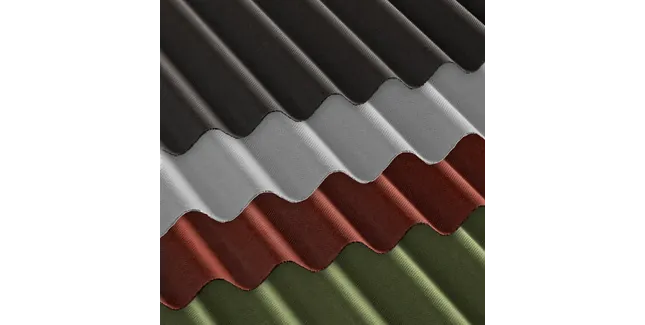
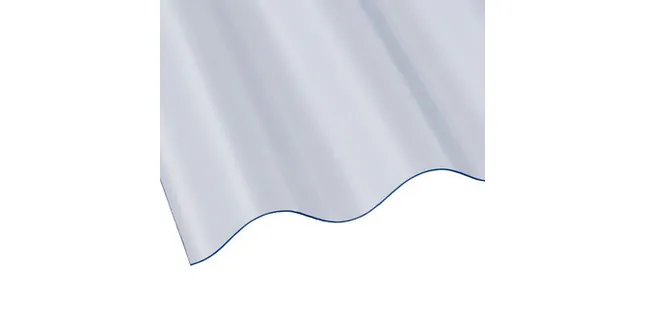
Corrugated roofing sheets have a traditional rounded wave profile. The repeated curves add rigidity to the sheet and help channel rainwater down the roof when it is installed at a suitable pitch. This classic design has been used for many years across domestic, agricultural and industrial buildings.
Available in a range of materials, including metal, bitumen, PVC and polycarbonate, they are a versatile option for different budgets and applications, whether you need a cost-effective garden building roof, a clear sheet for a covered area, or a more durable metal finish.
They are often used for:
Their familiar appearance makes them a popular choice for traditional roofing projects, especially where affordability, easy handling and reliable weather protection are key.
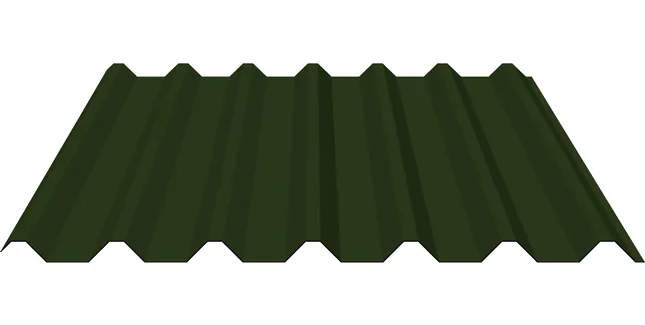
Box profile roofing sheets have a more modern, angular design with strong, square-shaped ridges. The defined ribs create a clean, contemporary finish while adding rigidity to the sheet.
Box profile sheets are most commonly made from metal and are regularly used on larger buildings where durability, neat lines and long-lasting performance are important.
They are often used for:
Box profile roofing is especially popular when a smarter, more modern appearance is required, or where the roof needs to cover a larger area efficiently.
There are several differences between the two sheeting options:
The key difference between corrugated and box profile roofing sheets is their shape.
Corrugated sheets feature a traditional rounded wave design, while box profile sheets have a sharper, more angular profile with defined ribs. This affects not only the finished appearance of the roof, but also how the sheets are laid, overlapped and used across different types of buildings.
Both options can deliver reliable weather protection when fitted correctly. The best choice will usually depend on the size of the roof, the style of the building, the required finish and the overall budget.
Corrugated roofing sheets have a more traditional look. Their curved profile is often associated with sheds, farm buildings, stables and older-style outbuildings. They work well where a simple, practical and familiar roof finish is needed.
Box profile roofing sheets offer a cleaner and more modern appearance. Their sharper lines can make a roof look neater and more professional, which is why they are often chosen for garages, workshops, commercial units and industrial buildings.
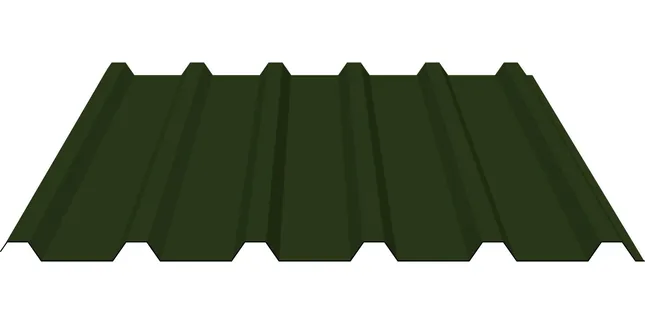
If appearance is one of your main priorities, corrugated sheets are ideal for a classic finish, while box profile sheets are better for a crisp, modern look.
Both corrugated and box profile sheets are designed to be strong and durable. The shaped profile gives the sheet extra rigidity compared with a flat sheet, helping it resist bending and cope with everyday weather exposure.
Box profile sheets are often chosen for larger roofs because their deeper, angular profile provides excellent rigidity. However, the sheet’s overall performance will also depend on its thickness, material, coating, support spacing and installation. This makes them particularly popular for agricultural, commercial and industrial buildings.
Corrugated sheets are still highly durable and dependable, especially for smaller to medium-sized roofs such as sheds, garages and outbuildings. When made from quality materials and installed correctly, they offer excellent long-term performance.
Both sheet types are designed to help rainwater drain away from the roof. The raised profiles guide water down the pitch, helping reduce standing water when installed at the correct angle.
Corrugated sheets are well suited to many everyday roofing applications and are available in different materials to suit different levels of exposure. Metal corrugated sheets are strong and long-lasting, while bitumen and plastic options can be useful for lighter-duty applications.
Correctly specified box profile metal sheets can be suitable for larger buildings and exposed locations, provided the sheet thickness, coating, fixings and supporting structure are appropriate for the project.
They are often paired with matching flashings, fixings and foam fillers to create a neat, weather-resistant installation.
Corrugated roofing sheets are generally straightforward to install, particularly on smaller buildings. Their overlapping design makes them popular with DIY users as well as trade customers, although care should still be taken to follow the correct fixing guidance for the chosen material.
Box profile roofing sheets are also designed for efficient installation, particularly on larger roof areas. Because they are commonly used as part of metal roofing systems, they are often fitted with suitable roofing fixings, Tek screws, ridge flashings, barge flashings, foam fillers and closure pieces to help create a secure, neat and weather-resistant finish.
Whichever type you choose, correct installation is essential. Sheets should be overlapped properly, fixed with suitable fasteners, and installed with the correct pitch, support spacing and accessories for the roof type.
Whichever roofing sheet profile you choose, the right accessories are essential for a secure, weather-resistant finish. Depending on your roof type, you may need suitable fixings, ridge flashings, barge flashings, foam fillers, closure pieces, sealants or tapes.
Browse our roofing sheet fixings and accessories to find suitable screws, caps, fillers, flashings, ridges and sealing products for your chosen sheet type.
These finishing products help improve the appearance of the roof, reduce the risk of water ingress and ensure the sheets are installed correctly for long-term performance.
When comparing costs, consider the complete roofing system rather than the sheet price alone. Allow for fixings, fillers, flashings, delivery, cutting requirements and any specialist tools or installation costs.
Corrugated roofing sheets are often seen as a cost-effective option, especially for small buildings, garden structures and budget-conscious projects. The wide choice of materials also makes it easier to choose a sheet that matches your budget.
Box profile sheets can also be very cost-effective, particularly for metal roofing projects. They are a popular choice where strength, appearance and long-term value are important.
The overall cost will depend on the sheet material, coating, thickness, roof size, fixings, flashings and any additional accessories required.
For sheds, corrugated roofing sheets are often a practical and cost-effective choice. They are easy to handle, available in several material options and provide a traditional roof finish that suits many garden buildings.
Metal corrugated sheets are a good option where extra strength, durability and long-term weather resistance are needed. Bitumen sheets can be a lighter, more affordable choice for smaller sheds, lean-tos and garden storage buildings.
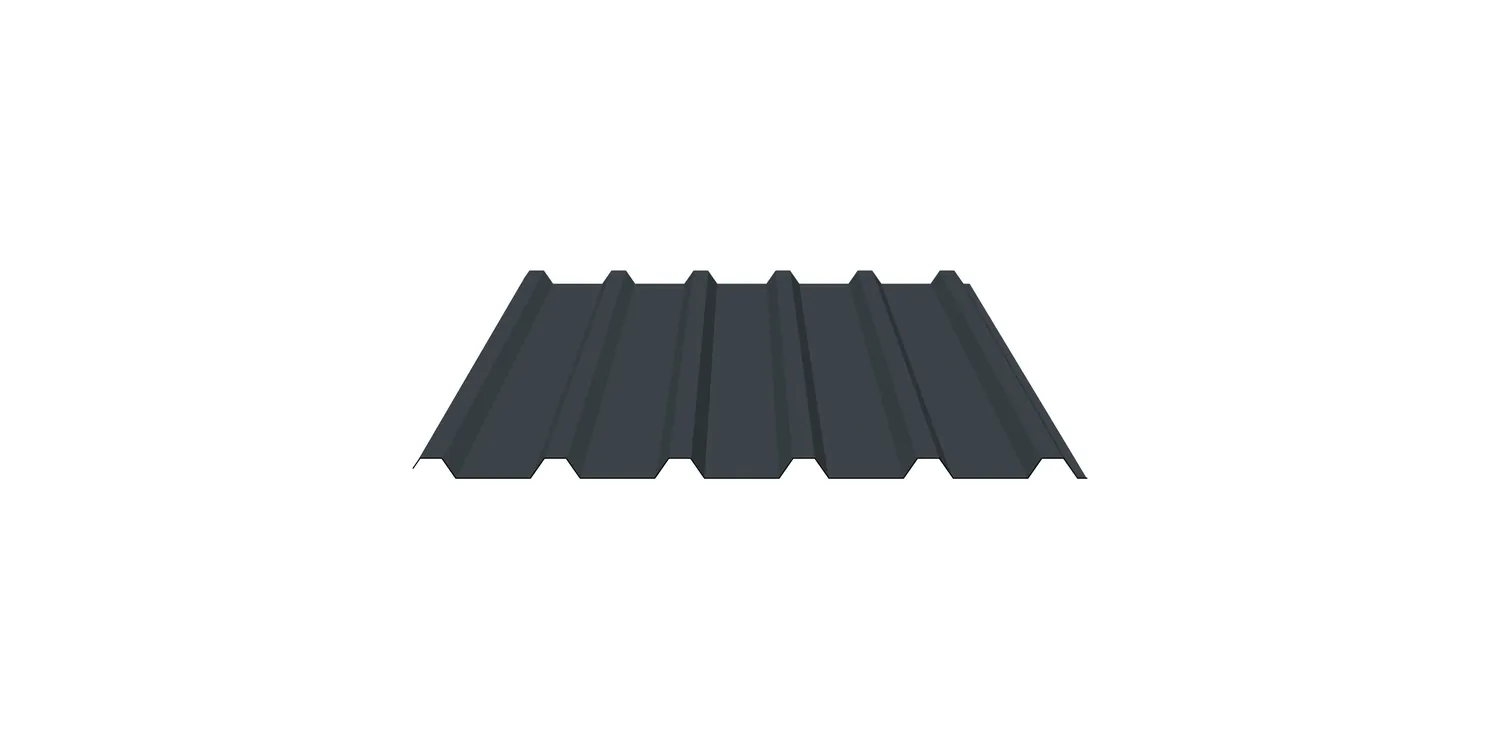
Box profile sheets can also work well for shed roofs, particularly if you want a more robust metal covering or a cleaner, more modern appearance. They are often well suited to larger sheds, garden workshops and storage buildings where strength and finish are both important.
If you are replacing an existing shed roof and want to compare sheet roofing with other options, such as felt or EPDM, our shed re-roofing guide can help you choose the most suitable material for your project.
For garages, both corrugated and box profile roofing sheets can work well.
Corrugated metal sheets are a good option for a simple, reliable and cost-effective garage roof. They provide dependable protection and suit both domestic and agricultural-style buildings.
Box profile sheets are ideal if you want a smarter, more modern finish. They are especially well suited to larger garages, workshops and outbuildings where strength and appearance are both important.
Box profile roofing sheets are a popular choice for agricultural buildings because they are strong, durable and well suited to covering larger roof areas. Their robust profile makes them ideal for barns, storage units, machinery sheds and livestock buildings.
The best option will depend on the size of the building, exposure level, required lifespan and preferred finish. For enclosed agricultural buildings, workshops or storage spaces, condensation control may also need to be considered. Depending on the building, this could involve ventilation, insulation or sheets supplied with an anti-condensation backing.
Corrugated sheets are also commonly used in agricultural settings, particularly where a traditional appearance is preferred or where the project requires a simple, practical roof covering.
The best option will depend on the size of the building, exposure level, required lifespan and preferred finish.
Yes, box profile sheets can be used for wall cladding as well as roofing. Their clean, angular design makes them a popular option for agricultural, commercial and industrial buildings where both the roof and walls need a durable metal finish.
Corrugated sheets can also be used as cladding in some applications, although box profile sheets are often preferred for a sharper, more modern look.
Choose corrugated roofing sheets if you want:
Choose box profile roofing sheets if you want:
As a general guide, corrugated sheets are a versatile choice for sheds, lean-tos, carports and traditional outbuildings, while box profile metal sheets are particularly well suited to garages, workshops, agricultural buildings and commercial projects.
However, the right choice should always reflect the building, roof pitch, supporting structure, required lifespan and manufacturer’s installation guidance.
Box profile sheets often provide excellent rigidity across larger roof areas thanks to their deeper, angular profile. However, corrugated sheets are still strong and dependable when the right material and thickness are chosen for the project.
Yes, corrugated metal sheets can be a reliable and cost-effective option for garage roofs, especially where a simple, practical finish is required.
No, box profile sheets can also be used for wall cladding, particularly on agricultural, industrial and commercial buildings.
Yes, roofing sheets should be installed with suitable fixings for the sheet material and roof structure. Many installations also require flashings, foam fillers and sealants to help create a secure, weather-resistant finish.
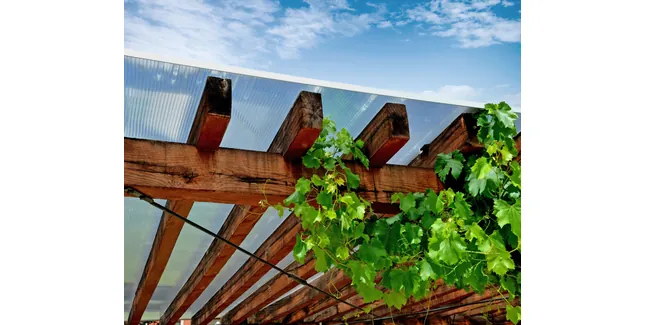
Both corrugated and box profile roofing sheets can provide a durable and practical roofing solution when correctly specified and installed. Corrugated sheets offer a traditional appearance and a broad choice of materials, while box profile sheets provide a clean, angular finish and excellent rigidity for many larger roofing and cladding projects.
The right choice will depend on your building, budget, preferred appearance and performance requirements.
Explore Roof Giant’s range of corrugated and box profile roofing sheets, including cut-to-length metal sheets and the fixings, flashings and accessories needed to complete your installation.
For more guidance on sheet materials, installation and choosing the right option for your roof, visit our full Roofing Sheets Buyer’s Guide.