After months of wind, rain, frost and fallen debris battering your garden buildings, summer is the season when many homeowners finally notice just how tired their shed roof has become. Faded felt, worn surfaces, lifting edges and general weathering are common signs that a shed roof is reaching the end of its lifespan, especially after another harsh winter. As warmer weather arrives and outdoor DIY projects move back up the priority list, re-roofing your shed is one of the simplest ways to refresh and protect your garden building before the seasons change once again.
Modern shed re-roofing materials offer more choice than ever before, giving homeowners the opportunity to improve both the appearance and long-term protection of their outdoor buildings. Traditional shed felt remains a trusted and affordable solution for standard garden sheds, while EPDM rubber roofing has become increasingly popular for larger sheds, workshops and garden offices where durability and low maintenance are key considerations. Each material offers different advantages depending on your building type, budget and expected lifespan of the roof.
Choosing incorrectly can lead to avoidable damage and unnecessary expense. Poor waterproofing, trapped moisture, wind uplift and UV deterioration can all shorten the life of a shed roof if unsuitable products or installation methods are used. In many cases, homeowners spend more money fixing preventable issues than they would have spent selecting the right roofing system from the start.
In this guide, Roof Giant explains how to choose the best shed re-roofing materials for your latest project, including the key differences between shed felt and EPDM roofing systems. We also cover important preparation advice, common mistakes to avoid, and practical guidance to help ensure your shed stays protected throughout every season.
Not every shed requires the same type of roofing system, which is why understanding how the building is used is one of the most important starting points. A simple garden storage shed may only require a practical and cost-effective felt covering, while a workshop, insulated summerhouse or garden office often benefits from the longer lifespan and durability of EPDM rubber roofing. Larger sheds with low-pitched or flat roofs are also more likely to experience standing water, making certain materials more suitable than others. Choosing roofing materials based on how the shed is actually used can help avoid unnecessary costs and future maintenance issues.
Traditional shed felt remains a dependable option for many homeowners because it offers a quick and affordable way to refresh older garden buildings during warmer weather. EPDM roofing systems, on the other hand, are often chosen for higher quality outdoor spaces where year-round weather resistance and longevity are priorities. Understanding the demands placed on the roof throughout the year will help determine which material offers the best overall value.
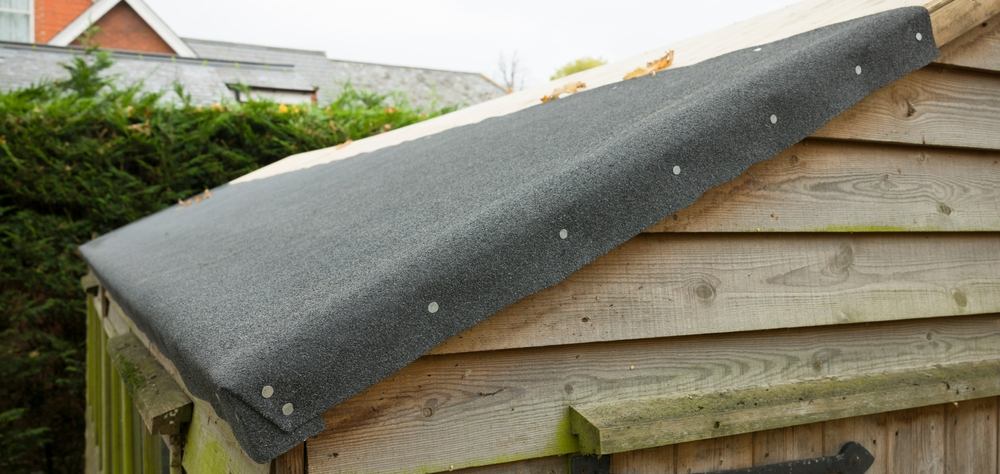
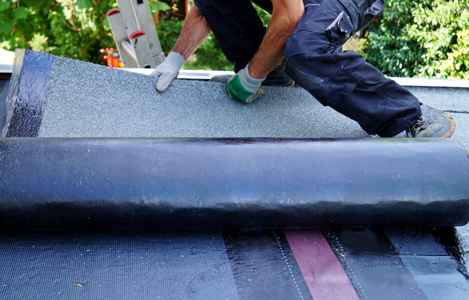
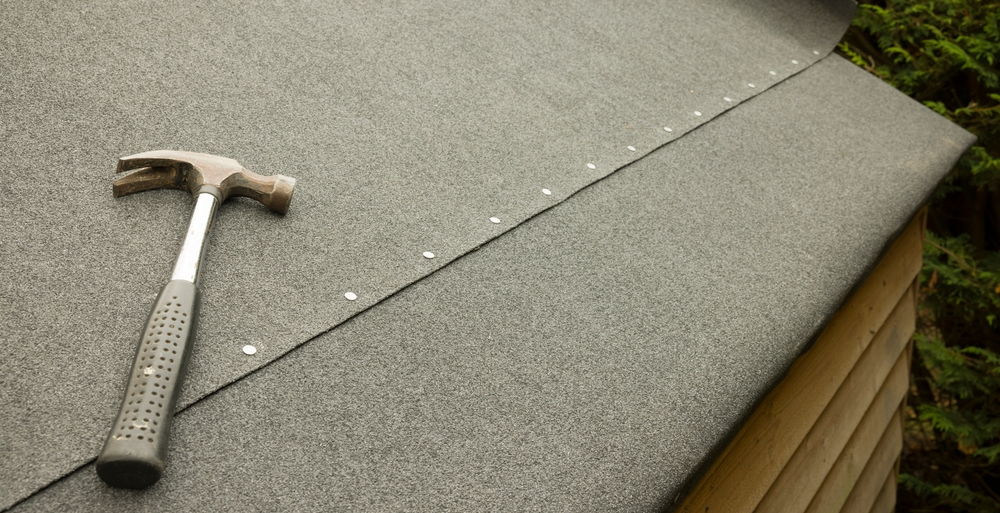
Shed felt continues to be one of the most popular shed roofing materials in the UK, and for good reason. Modern mineral felt products are significantly more durable than older lightweight felt systems and can provide excellent weather protection when installed correctly. For homeowners carrying out summer DIY repairs, felt roofing is often the quickest and most accessible solution because it can be installed using standard tools and roofing adhesives. It is also available in a range of finishes and thicknesses to suit different budgets and shed styles.
One of the biggest advantages of shed felt is its flexibility across a wide variety of outdoor buildings. It works well on apex roofs, pent sheds and smaller garden structures without requiring specialist installation techniques. In many cases, felt roofing can also be repaired in sections if localised damage occurs. However, achieving a long-lasting finish depends heavily on proper installation and ensuring overlaps, fixings and edges are sealed correctly.
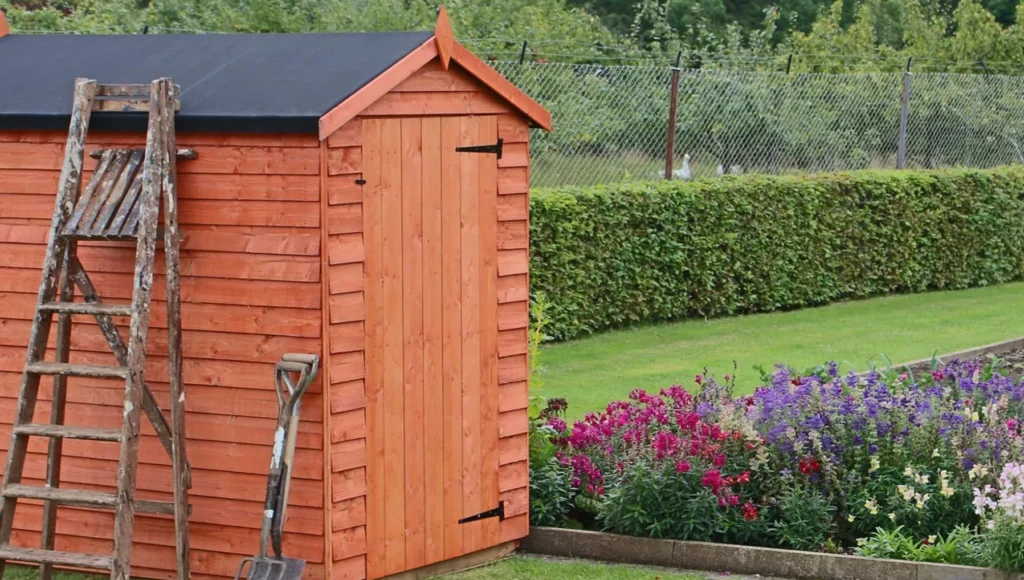
EPDM rubber roofing has risen in popularity in recent years, particularly for sheds, garden rooms and flat roof outdoor buildings. Unlike traditional felt systems that rely on multiple layers and overlaps, EPDM is typically installed as a single waterproof membrane system with very few seams. This creates a cleaner finish and significantly reduces the likelihood of water leaks developing over time. EPDM is also highly resistant to UV exposure, frost and temperature fluctuations, making it ideal for unpredictable weather conditions.
Although EPDM roofing systems generally involve a higher upfront cost than felt, many homeowners see this as a worthwhile long-term investment. Once installed correctly, EPDM roofs require very little maintenance and can last for decades without major repairs. This makes them particularly attractive for larger outdoor buildings where reliability and reduced maintenance are priorities. For customers looking for a modern roofing solution that offers strong year-round performance, EPDM is often an excellent choice.
Many homeowners focus only on upfront costs when selecting shed roofing materials, but long-term performance should also be considered carefully. While felt roofing is often the more affordable and budget-conscious option, choosing for the cheapest low-quality alternative or carrying out installation work too quickly and carelessly can lead to ongoing maintenance and replacement costs over time. Small problems such as lifting corners, cracked felt or trapped moisture can quickly develop into larger structural issues if left unresolved. Choosing the wrong roofing system for the shed type can also shorten the lifespan of the entire building.
EPDM roofing systems may involve a larger initial investment, but their durability and low maintenance requirements can make them more economical in the long run. The best approach is often to balance installation costs against expected lifespan, maintenance demands and the importance of protecting valuable contents stored inside the shed. Investing in higher-quality roofing materials from trusted suppliers can significantly improve long-term performance and reliability.
Even the best shed re-roofing materials can fail if the roof is not prepared properly before installation begins. Careful preparation improves waterproofing performance, helps adhesives bond correctly and reduces the risk of future roofing issues. Many common problems associated with felt and EPDM roofs can be traced back to poor preparation rather than the material itself. Taking time to inspect and prepare the roof correctly will help ensure a more professional and longer-lasting finish.
Before installing new roofing materials, it is important to assess the overall condition of the existing roof structure. Damaged timber, moisture problems and uneven surfaces should always be addressed before applying new coverings. Dry summer weather provides the ideal conditions for completing these checks and carrying out repairs safely.
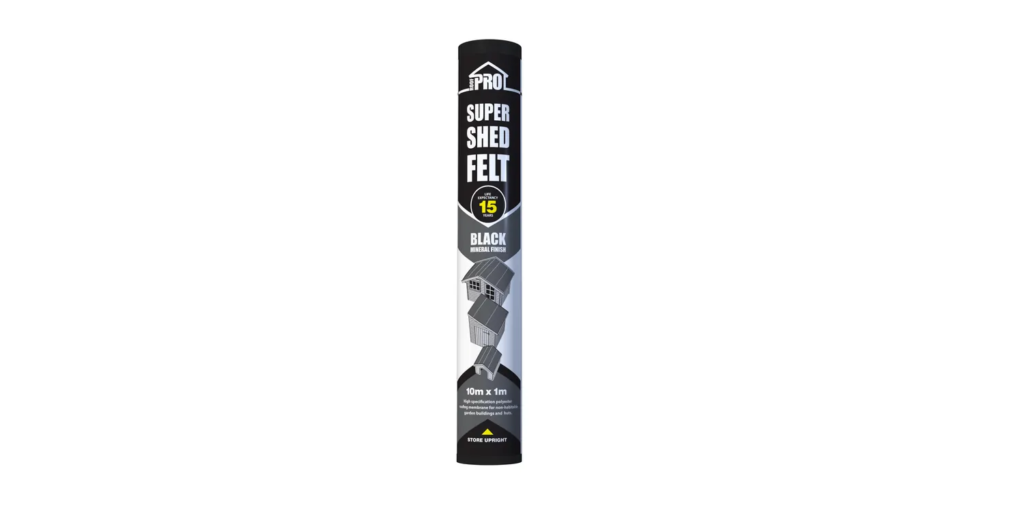
At Roof Giant, we supply a wide range of shed re-roofing materials designed to suit everything from quick summer shed repairs to complete long-term roofing upgrades. Our selection includes durable shed felt systems manufactured for dependable weather protection on garden sheds, huts and other non-habitable outdoor buildings.
Modern shed felt offers a practical and cost-effective solution with improved durability, weather resistance and lifespan compared to older traditional felt products, while also remaining easy to install for many DIY roofing projects. Available in a variety of colours and finishes, shed felt continues to be a popular choice for homeowners looking to refresh worn or weathered garden buildings without undertaking a complete structural upgrade.
For customers looking for a more premium and longer-lasting roofing solution, we supply a comprehensive range of EPDM rubber roofing systems. EPDM membranes are highly resistant to UV exposure, rain, frost and fluctuating temperatures, making them ideal for flat roof sheds, workshops, garden rooms and larger outdoor buildings that require durable year-round protection.
The seamless waterproof design helps minimise maintenance requirements while providing excellent long-term performance in challenging weather conditions. Alongside EPDM membranes, Roof Giant also provides compatible adhesives, trims and roofing accessories to help customers achieve a professional-quality finish with confidence.
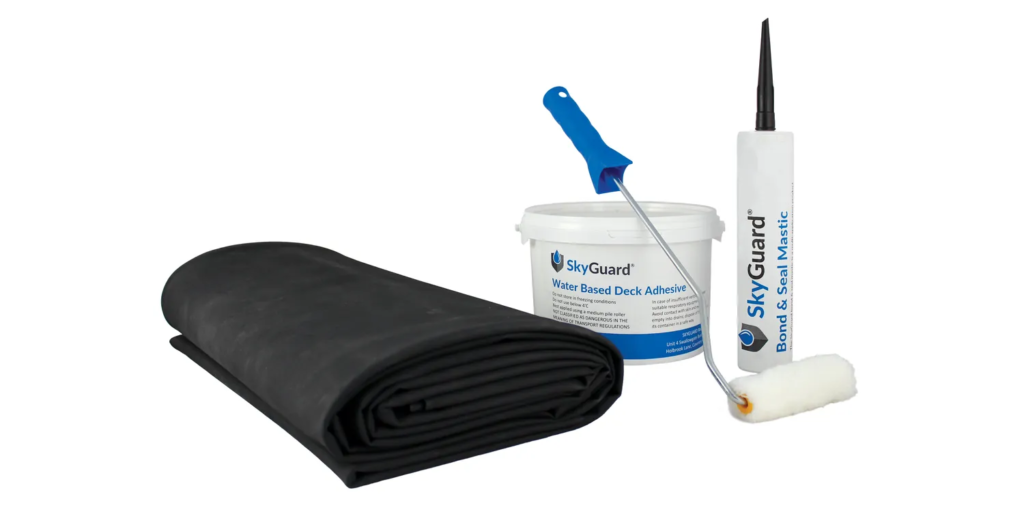
We offer a wide range of EPDM shed kits designed with homeowners in mind. They contain everything you need for straightforward installation, including EPDM membrane, adhesives, and rollers.