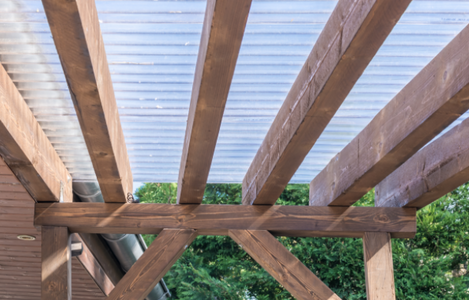
A well-designed carport can provide valuable protection for your vehicle without the cost or enclosed structure of a traditional garage. Its performance, appearance and lifespan, however, will depend heavily on the roofing material you choose.
For most domestic carports, polycarbonate roofing sheets provide the best balance of strength, low weight and natural light. Metal can be a better option for larger or more substantial structures, while PVC and bitumen offer practical alternatives for different budgets and styles.
The right choice of sheeting for a carport will depend on the carport’s size, supporting framework, roof pitch, exposure and the amount of natural light or shade you want beneath it.
For a broader comparison of the materials available, visit our complete Roofing Sheets Guide.
Carports are generally open-sided structures, meaning the roof is exposed to wind-driven rain and changing weather from several directions. The sheets must therefore be securely installed and suitable for the location and supporting framework.
Before choosing a product, consider:
Roof pitch is especially important. A suitable fall helps water drain from the surface rather than collecting on the sheets. The correct minimum pitch, overlap and fixing pattern will vary between products, so always follow the manufacturer’s installation guidance.
For more help comparing materials, profiles and performance, read our guide on how to choose the right roof sheeting for your latest project.
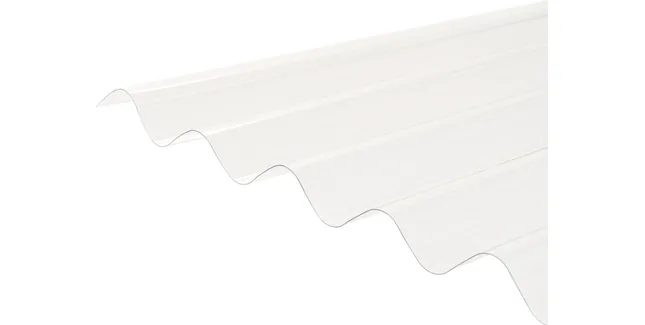
Corrugated roofing sheets are widely used for carports because their profiled shape adds rigidity and helps direct rainwater towards the lower edge of the roof. Corrugated sheets are available in materials including polycarbonate, PVC, metal and bitumen, so it is important to compare both the profile and the material.
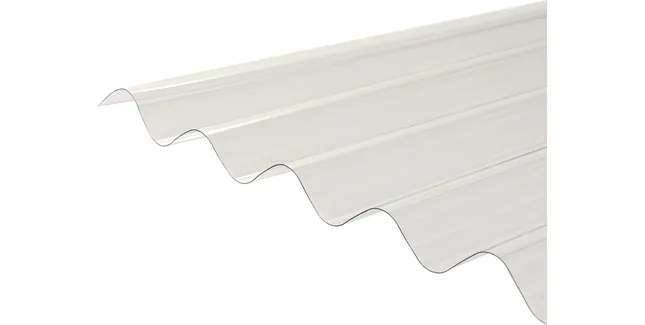
Options such as Solstice Corrugated Polycarbonate Sheets are designed for applications including carports, bike shelters, canopies and other covered structures.
Corrugated polycarbonate may be a good choice when you want:
Polycarbonate roofing sheets are a popular choice for domestic carports because they combine low weight, durability and natural light.
Polycarbonate is lightweight, impact-resistant and available in clear, bronze, opal and other finishes. It allows natural daylight beneath the roof, helping the carport feel bright and open. This can be particularly useful when the structure is positioned next to a window, entrance or frequently used pathway.
Here at Roof Giant, we supply a wide range of polycarbonate roofing sheets suitable for carports, canopies, conservatories, greenhouses and other domestic or commercial applications.
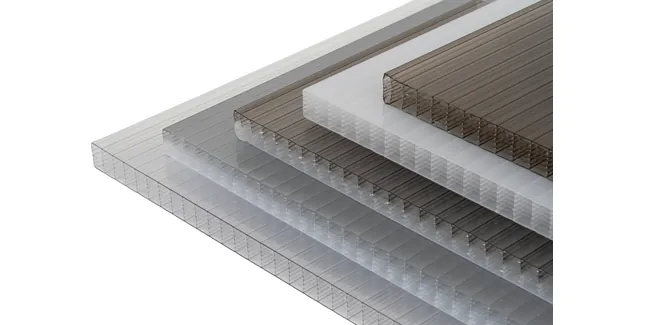
Multiwall polycarbonate sheets contain multiple internal layers or chambers that help create a rigid yet lightweight roofing panel. The internal chambers give multiwall sheets a more substantial and structured appearance than basic corrugated sheets, making them well suited to contemporary carports and canopies.
Although insulation is not normally a major consideration for an open carport, multiwall sheets can provide a more structured and contemporary appearance. They are commonly installed using glazing bars, end closures, sealing tape and other compatible accessories.
Clear multiwall sheets maximise daylight, while bronze and opal finishes can reduce glare and create a softer appearance beneath the roof.
For unusual carport dimensions, cut-to-size roofing sheets can help reduce on-site cutting and make it easier to order sheets suited to the required roof area. Roof Giant’s cut-to-size range includes both polycarbonate and metal options.
Clear, bronze and opal polycarbonate sheets offer the same lightweight, durable and impact-resistant qualities, but differ in how much light, shade and privacy they provide.
The best option will depend on the position of the carport, the amount of direct sunlight it receives and the appearance you want to achieve.
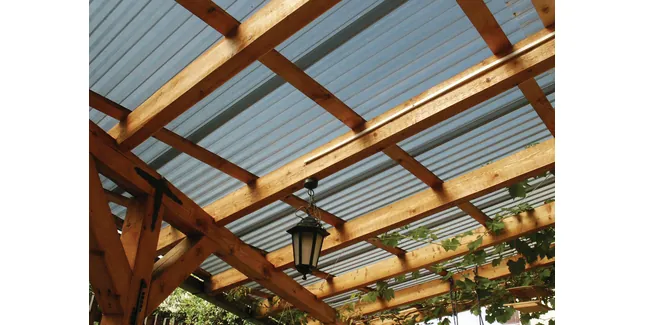
Clear polycarbonate allows the highest level of natural light through the roof, helping the area beneath the carport remain bright and open.
This makes it a useful choice for structures built next to windows, doors or frequently used walkways, where a darker roof could reduce the amount of light entering the property. It can also make a smaller carport feel less enclosed.
However, clear sheets provide less shade than tinted or diffused alternatives, so the space beneath may experience more glare during periods of strong sunlight.
Clear polycarbonate may be the best option when:
Bronze polycarbonate has a tinted appearance that allows daylight through while helping reduce brightness and glare.
It creates a more shaded environment beneath the roof than clear polycarbonate, which can be beneficial for south-facing carports or structures that receive strong sunlight for much of the day.
The bronze tint can also provide a warmer, more decorative finish. It often works well alongside timber frames, brickwork and darker window or door frames.
Bronze polycarbonate may be suitable when:
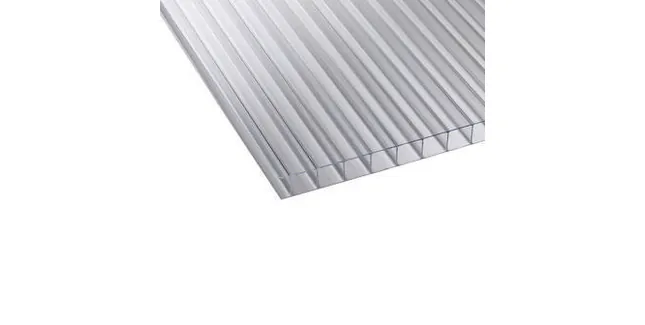
Opal polycarbonate has a translucent, diffused finish rather than being completely transparent. Light still passes through the sheets, but it is spread more evenly across the area beneath the roof.
This helps reduce harsh glare and strong shadows while creating a softer, more consistent level of daylight.
Because the sheets are not fully transparent, opal polycarbonate can also provide greater privacy and help conceal dirt, condensation or debris more effectively than clear sheets.
It can be particularly practical for carports that are also used as covered seating areas, storage spaces or sheltered entrances.
Opal polycarbonate may be the best choice when:
PVC roofing sheets provide an economical and lightweight solution for carports, canopies and lean-to structures.
Like clear polycarbonate, transparent PVC allows natural light beneath the roof. It is easy to handle and can be suitable for smaller domestic projects where keeping material costs and structural weight down is important.
Our PVC sheeting range includes lightweight, weather-resistant options suitable for carports and other simple covered structures.
PVC sheets may be suitable when:
However, PVC generally does not provide the same level of impact resistance as polycarbonate. Where a carport is positioned beneath trees or in an exposed area, polycarbonate may provide a more robust option against falling branches and debris.
In general, clear polycarbonate is best where maximum daylight is required, bronze provides a balance of light and shade, and opal is ideal for softer, more evenly diffused light. Always check the stated light-transmission figures for the specific product, as performance can vary between sheet types and thicknesses.
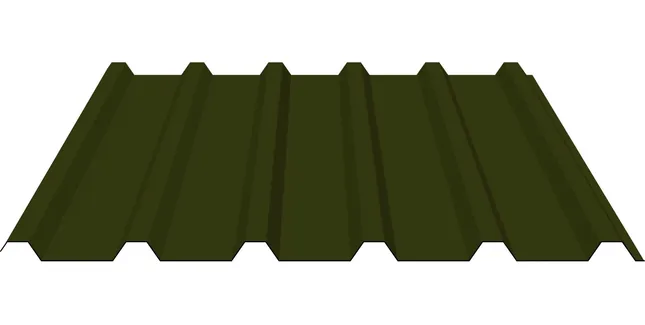
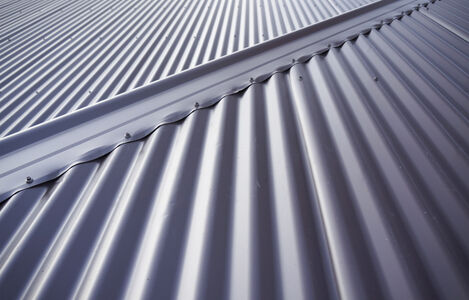
Metal roofing sheets offer a strong, durable and opaque option for carports.
They can be particularly effective on larger freestanding structures, commercial carports, agricultural-style buildings and carports designed to match metal-clad garages or workshops.
Unlike transparent plastic sheets, metal roofing creates full shade beneath the structure. This can help protect vehicles from direct sunlight and provide a more solid, enclosed appearance, although it will also make the area beneath the roof darker.
Benefits of metal roofing sheets can include:
The supporting structure must be suitable for the weight and loading requirements of the selected metal roofing system. Metal sheets should also be installed using suitable fixings and sealing components to reduce the risk of leaks around penetrations and overlaps.
Our wider roofing sheet range includes metal, polycarbonate, PVC, bitumen and GRP options for different domestic, commercial and agricultural applications.
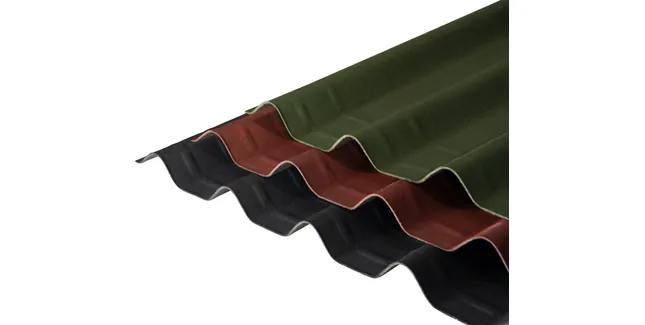
Bitumen roofing sheets are lightweight, weather-resistant and available in a range of colours. Their corrugated profile provides a traditional appearance that can work well on timber-framed carports, covered storage areas and garden outbuildings.
Bitumen sheets may also produce less noticeable rain noise than some uninsulated metal roofing systems, although the overall sound level will depend on the roof structure and installation.
They are typically straightforward to handle and cut, making them an accessible choice for suitable DIY projects. However, because they are opaque, they do not allow daylight through the roof.
Bitumen roofing may be a practical choice when:
Our range of bitumen roofing sheets is suitable for domestic and commercial applications, including garages, sheds, agricultural buildings and outbuildings.
If you’re also choosing roofing for a garden building, our guide to the best roofing sheets for sheds compares the main materials and their advantages for shed roofs.
For many domestic carports, polycarbonate is likely to be the strongest all-round choice. It combines low weight with impact resistance and allows daylight to reach the space below.
However, the most suitable option will depend on your priorities.
Clear corrugated or multiwall polycarbonate is generally the best option where maximum daylight is required.
Clear PVC can provide a more economical alternative for smaller or relatively sheltered structures.
Polycarbonate offers greater impact resistance than standard PVC, making it a practical choice for exposed carports or structures positioned near trees.
Metal or bitumen sheets provide full shade and prevent direct sunlight from passing through the roof.
Metal generally offers a more structured and contemporary finish, while bitumen can provide a softer and more traditional appearance.
Metal roofing can offer the strength and structured appearance required for larger domestic or commercial carports, provided the supporting frame has been designed appropriately.
PVC and bitumen sheets can provide cost-effective solutions, although the best-value option should be considered in terms of both upfront cost and expected service life.
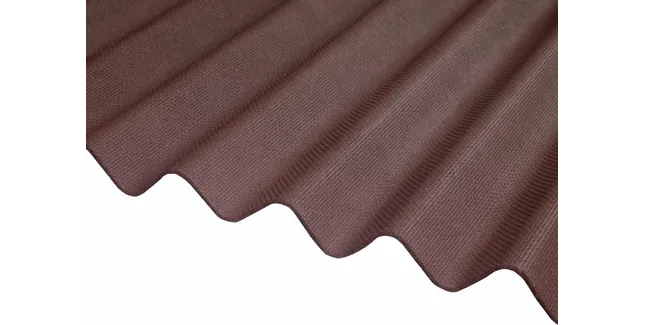
For a traditional timber carport, bitumen roofing sheets provide an opaque, lightweight covering with a textured finish that works well alongside sheds, fencing and other garden buildings.
Bronze or opal polycarbonate offers an alternative where natural light is still required. Bronze adds a warm tint that complements timber and brickwork, while opal creates softer, diffused light.
Choose bitumen for a more rustic appearance or tinted polycarbonate for a lighter, more contemporary finish.
Roofing sheets must be installed with an adequate fall so rainwater can drain correctly. A roof that is too flat may allow water to sit on the surface or travel beneath sheet overlaps.
There is no single minimum pitch that applies to every carport sheet. Requirements vary according to the material, profile, sheet length, overlap and manufacturer.
Always check the specific product instructions before designing the frame. Do not assume that guidance for one corrugated sheet will also apply to another product with a different profile.
Select the roofing system before finalising or constructing the frame wherever possible. This allows the roof pitch, rafter spacing, purlin centres and fixing positions to be designed around the specific manufacturer’s requirements.
A carport roof requires more than the sheets themselves, so it is important to choose compatible roofing fixings and accessories for the selected system. Depending on the system, you may also need:
The exact accessories required will depend on the roofing material, profile and installation method.
Using compatible accessories is important. Incorrect fixings can damage plastic sheets, restrict thermal movement or allow water to enter around fixing points.
Multiwall polycarbonate also requires the open sheet channels to be correctly sealed and finished. This helps manage moisture and prevents dirt and insects from entering the internal chambers.
Roofing sheets should not be walked on unless the manufacturer specifically permits it and suitable access equipment is used. For larger, elevated or structurally complex carports, professional installation may be advisable.
Polycarbonate and PVC sheets expand and contract as temperatures change, so the installation method must allow for movement.
Some plastic roofing systems require oversized fixing holes or specialist fixings to allow controlled thermal movement. Always follow the instructions supplied with the selected sheets rather than applying a general drilling rule.
Fixings should hold the sheets securely without being overtightened, as excessive pressure can distort the profile or prevent natural expansion.
Glazing bars, washers, buttons and caps should be suitable for the selected product. Always follow the manufacturer’s specified spacing, drilling and fixing method.
Successful weatherproofing depends on the complete installation rather than the sheet material alone.
To reduce the risk of leaks:
Sheets should also be laid with the prevailing weather conditions in mind. Correct sequencing and overlap direction can help prevent wind-driven rain from reaching joints.
Although a carport is open-sided, controlling the water leaving its roof is still important. Without suitable drainage, rainwater may discharge onto driveways, walls, entrances or neighbouring property.
A gutter installed along the lower edge of the roof can collect runoff and direct it towards an appropriate outlet. The fascia, gutter size and supporting structure should be suitable for the expected roof area and local rainfall.
Drainage should be considered during the initial design rather than added after the sheets have been fitted.
Any collected water should discharge into an appropriate drainage point, soakaway or water-storage system, subject to the site layout and applicable requirements. It should not be directed towards building foundations, public paths or neighbouring land.
Polycarbonate is a strong all-round choice for domestic carports, particularly where natural light is important. PVC provides a lightweight, economical alternative, while metal suits larger or more substantial structures. Bitumen can work especially well on traditional timber-framed carports where an opaque finish is preferred.
Explore Roof Giant’s range of lean-to and carport roofing materials, including polycarbonate, PVC, metal and bitumen options.
Before ordering, check the required pitch, effective cover width, sheet overlaps, support centres and compatible fixings. For further help comparing the available materials, visit our complete Roofing Sheets Guide.
Yes. Clear polycarbonate and PVC roofing sheets can both be used on suitable carport structures. Polycarbonate generally provides better impact resistance, while PVC may offer a more economical solution for smaller or sheltered projects. Always check the required pitch, support spacing and fixing method for the chosen sheets.
The expected lifespan will depend on the material, product quality, exposure and installation. Correct support spacing, compatible fixings, sufficient roof pitch and regular maintenance can all help the roof perform effectively for longer.