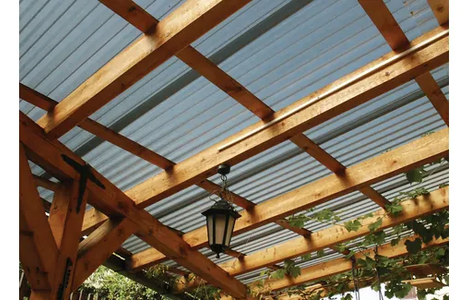
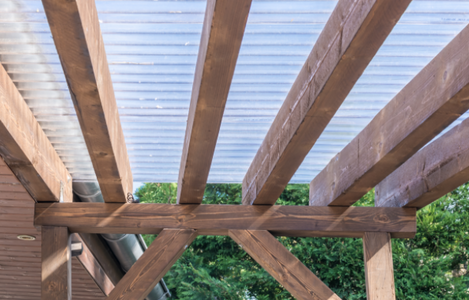
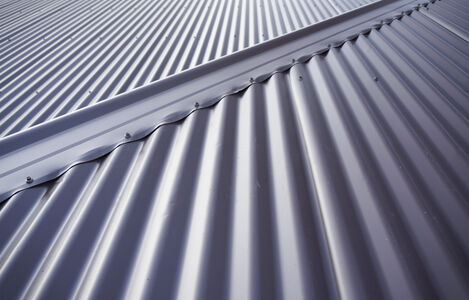
Box profile roofing sheets are a strong, practical and cost-effective option for garages, workshops, agricultural buildings, commercial units and garden outbuildings. Their angular profile provides excellent rigidity, efficient water run-off and a clean, modern appearance.
At Roof Giant, you can find cut-to-length box profile sheets in galvanised steel, polyester paint coated and PVC plastisol coated finishes, making it easier to select an option that suits your building, budget and preferred finish.
For a wider overview of the different sheet materials available, including bitumen, PVC, polycarbonate, metal, fibre cement and GRP, you can also read our Roofing Sheets Buyer’s Guide.
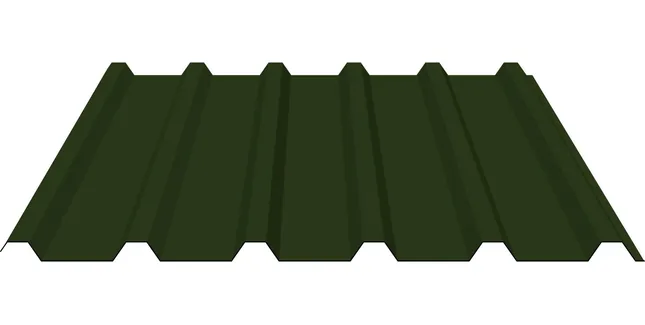
Box profile roofing sheets are metal roofing sheets with a series of angular, box-shaped profiles running along the length of each sheet.
These raised profiles add strength and rigidity, helping rainwater drain efficiently while allowing the sheets to remain relatively lightweight and easy to handle.
Unlike traditional corrugated sheets, which have a rounded wave pattern, box profile sheets have a sharper, more contemporary shape. This makes them especially popular for modern garages, farm buildings, workshops, industrial units and domestic outbuildings.
Box profile sheets are popular because they offer a strong balance of durability, affordability and ease of installation. Their structured profile gives them excellent strength, while the sheet format allows large roof areas to be covered efficiently.
Key benefits include:
Roof Giant’s galvanised steel box profile roofing sheets, for example, are strong, lightweight, long - lasting and straightforward to install using simple tools.
Box profile roofing sheets are extremely versatile and can be used across many different building types, from domestic outbuildings to larger agricultural, commercial and industrial projects. Their strong, angular profile provides excellent rigidity and efficient water run-off, making them a practical choice for roofs that need to withstand regular exposure to the elements.
They are commonly used on garages, sheds, workshops, barns, stables, warehouses, storage units and garden buildings, as well as extensions and lean-to structures. Box profile sheets can also be used for wall cladding, helping to create a clean, modern finish while adding an extra layer of weather protection to the building.
Thanks to their durability, low maintenance requirements and range of available finishes, box profile roofing sheets are well suited to both new builds and refurbishment projects where long-lasting performance and a neat appearance are important.
Both box profile and corrugated sheets are popular choices, but they have slightly different strengths.
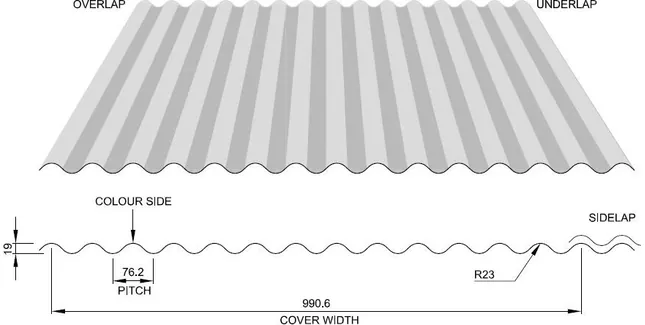
Corrugated sheets have a traditional rounded profile and are often used for sheds, agricultural buildings and general roofing projects. Box profile sheets have a more angular design, which gives them a cleaner, more modern look and greater rigidity across the sheet.
Box profile sheets are often preferred when appearance is important, particularly on garages, workshops and commercial buildings. Corrugated sheets may be chosen for a more traditional finish or where they match existing roofing.
For a more detailed comparison, read our guide to Corrugated vs Box Profile Roofing Sheets, where we look at the differences in profile shape, appearance, installation and project suitability.
Box profile roofing sheets are often chosen when strength, durability and a clean, modern appearance are priorities. Compared with PVC or polycarbonate sheets, metal box profile sheets are generally better suited to garages, workshops, agricultural buildings and commercial units where a solid, opaque roof covering is needed.
If natural light is important, polycarbonate roofing sheets may be a better choice. For smaller garden buildings or budget-friendly projects, bitumen or PVC sheets may also be suitable. To compare all the main options in more detail, read our Roofing Sheets Buyer’s Guide.
When shopping for box profile sheets, you may see specifications such as 32/1000 or 34/1000. The first number refers to the approximate depth of the profile in millimetres, while the second indicates an effective cover width of 1,000mm.
Effective cover width is the usable width of each installed sheet after the required side overlap has been allowed for. It is this measurement, rather than the sheet’s total physical width, that should be used when estimating the number of sheets required.
For example, a 34/1000 box profile sheet has a profile depth of 34mm and an effective cover width of 1,000mm. This measurement helps you calculate how many sheets will be required once the correct side laps have been taken into account.
Box profile roofing sheets are available in different finishes, each suited to different requirements.
If you are comparing different coated steel options, explore our metal roofing sheets range to find galvanised, polyester paint coated and PVC plastisol coated options for domestic, agricultural and commercial projects.
Galvanised steel sheets are a practical, cost-effective option for many roofing projects. The galvanised coating helps protect the steel from corrosion, making these sheets suitable for garages, outbuildings, agricultural buildings and industrial applications.
They are a good choice when you want a durable metal sheet without a coloured coating.
Polyester paint coated sheets offer the strength of steel with a coloured outer finish. This makes them a popular option for projects where appearance matters, such as garages, workshops, garden buildings and commercial units.
They provide a neat, finished look while still offering the practical benefits of metal roofing.
PVC plastisol coated sheets are designed for greater durability and weather resistance. The thicker coating helps protect the sheet from scratches, wear and exposure, making it well suited to more demanding environments.
This finish is often chosen for agricultural, commercial and industrial buildings where long-term performance is a priority.
Box profile roofing sheets are available in different thicknesses depending on the profile, coating and manufacturer. A thicker sheet will generally provide greater rigidity, but thickness should not be considered in isolation.
The correct option will also depend on factors such as purlin spacing, roof pitch, building use, local wind exposure and whether the sheets are being used for roofing or wall cladding.
Always refer to the product specification and manufacturer’s span and installation guidance before ordering.
When correctly specified and installed, a box profile roofing system can provide excellent protection against rain and changing weather conditions. The profiled sheets channel water towards the eaves, while correctly fitted overlaps, fixings, flashings and closures help protect vulnerable edges and junctions.
However, the sheets must be installed with the correct overlap, pitch and accessories. Poor installation can lead to leaks, wind uplift or water tracking back under the sheets.
Roof pitch is important because it helps water run off the roof properly. A steeper pitch generally allows rainwater to drain more effectively, while low-pitched roofs require careful installation to reduce the risk of water ingress.
Before ordering, always check the manufacturer’s stated minimum roof pitch for the specific sheet profile and installation method you intend to use. This will help ensure the sheets perform correctly and remain weather-resistant over time.
To complete a box profile roofing project, you will usually need more than the sheets themselves. The right accessories help secure the roof, improve weather protection and create a neat finish.
Common accessories include:
Here at Roof Giant, our cut-to-size sheeting range includes box profile sheets, fixings, colour caps, barge flashings, ridge flashings and foam fillers, making it easier to order the sheets and accessories you need for a complete installation in one place.
Foam fillers are used to close the gaps created by the profile shape at the eaves and ridge. They help reduce draughts, prevent wind-driven rain entering under the sheets and limit access for birds, insects and debris.
However, ventilation still matters. In some cases, especially when using anti-condensation sheets, restricting airflow can reduce the effectiveness of the anti-condensation layer.
Here at Roof Giant, we generally recommend avoiding foam fillers when anti-condensation sheets are installed, as sufficient airflow is needed to help the absorbent layer dry.
Requirements can vary by roof design, so always check the product and manufacturer’s installation guidance.
Anti-condensation sheets have a special absorbent layer on the underside of the sheet. This helps manage condensation by holding moisture when conditions are cool and damp, then allowing it to dry out when airflow and temperature improve.
They can be useful for buildings where condensation may be a concern, such as garages, workshops, stables and storage areas. However, they should still be installed with suitable ventilation, as airflow is essential for the layer to dry properly.
Before ordering, measure your roof carefully. You will need to know:
Cut-to-length sheets are supplied to suit the length of your roof slope, helping to reduce waste, minimise on-site cutting and make installation more efficient.
Once you have your measurements, our cut-to-size roofing sheets range makes it easier to order the right sheet size for your project, with options available across metal and polycarbonate roofing.
As cut-to-length sheets are manufactured to suit the measurements provided, they are non-returnable once production has begun. Check all dimensions, quantities, colours and specifications carefully before placing your order.
Working at height and handling long metal sheets can be hazardous. Use suitable access equipment, lifting methods and personal protective equipment, and seek professional assistance where necessary.
Box profile roofing sheets are designed to be relatively straightforward to install, but good preparation is essential.
Before fitting your sheets:
For best results, always follow the manufacturer’s installation guidance for the specific sheet and accessories being used.
Box profile sheets can usually be cut on site if needed, but cut-to-length sheets are often easier and help reduce the need for extra cutting.
Follow the sheet manufacturer’s guidance when selecting cutting tools. Avoid abrasive tools that create excessive heat, as these can damage galvanised or coated finishes and reduce corrosion protection around the cut edge.
After cutting or drilling, remove any metal swarf from the sheet surface. If left behind, swarf can rust and stain the roof.
Box profile roofing sheets are well suited to projects that require a strong, low-maintenance and weather-resistant covering with a clean, angular finish. They are commonly used for garages, workshops, stables, agricultural buildings, commercial units and industrial premises, as well as wall cladding.
Explore Roof Giant’s range of box profile roofing sheets to compare 32/1000 and 34/1000 profiles, available finishes and compatible accessories.
For a broader comparison of metal, bitumen, PVC, polycarbonate, fibre cement and GRP options, visit our Roofing Sheets Buyer’s Guide.