Coping stones protect walls from rainwater, frost damage and staining while creating a neat, finished edge. But the best coping stone for a flat roof parapet is not always the same as the best option for a garden wall.
Flat roofs usually need coping stones that can direct water away from roof membranes and withstand exposed conditions, while garden walls often require balanced drainage on both sides and a finish that suits the surrounding landscaping.
In this guide, we compare once weathered, twice weathered, flat, concrete, porcelain and natural stone coping options to help you choose the right solution for your project.
Coping stones are protective caps installed on top of walls, parapets and piers. Their main role is to help prevent rainwater from soaking into the masonry below, reducing the risk of staining, frost damage, mortar erosion and long-term structural issues.
Many coping stones are designed with sloped profiles and drip grooves, helping rainwater run away from the wall face rather than tracking back underneath the stone.
If you’re unsure where to start, understanding what coping stones are used for can help you make a more informed choice for both flat roofs and garden walls.
They are commonly used on:
For flat roof parapets, drainage and secure installation are the main priorities. The coping stone should help move water away from vulnerable roof details and should be installed with suitable fixings, adhesive, or mechanical restraints where required.
Flat roof coping stones must:
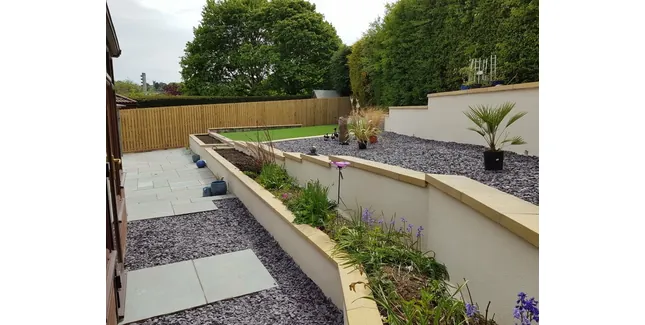
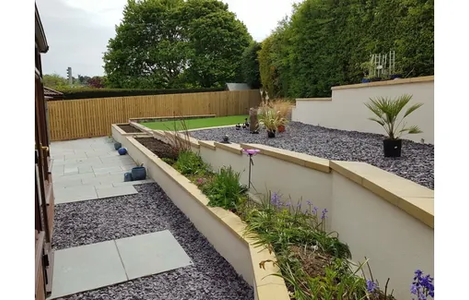
Garden wall coping stones need to protect the wall while also enhancing the overall look of the outdoor space. Unlike flat roof applications, they are often more visible, so the finish, colour and profile should complement the surrounding garden design.
A well-chosen coping stone can help tie together brickwork, paving and landscaping while directing rainwater safely away from the wall.
Garden wall coping stones focus more on:
Once weathered coping stones slope in one direction, making them ideal for flat roofs where water needs to be directed away from the building.
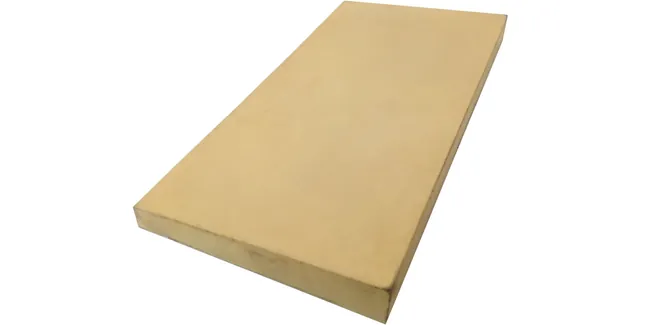
This type of coping stone is ideal for parapet walls, roof edges with controlled drainage, and modern flat roofing systems.
They help channel water efficiently, reducing the risk of water pooling or ingress near roof membranes.
Concrete coping stones are a practical and cost-effective choice for many flat roof parapets, boundary walls and garden walls. They offer strong weather resistance, a clean finish and good long-term durability without the higher cost of premium natural stone.
They are also suitable for boundary walls and parapets, offering a simple, modern finish while delivering reliable weather protection.
For flat roofs, concrete coping stones are especially useful where strength, value and reliable weather protection are key priorities.
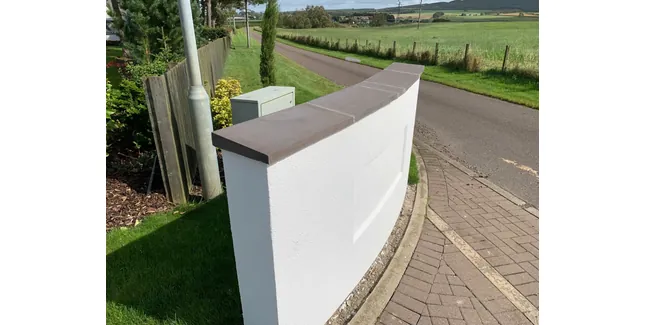
Concrete coping stones are especially suitable for roofs that are not heavily trafficked, but still require reliable long-term protection.
Porcelain coping stones are a premium option for projects where appearance and low maintenance are important. They are particularly well suited to roof terraces, patios, raised beds and modern garden walls.
Porcelain is virtually non-porous, highly water-resistant and resistant to staining, making it a strong choice for exposed outdoor areas. It also provides a sleek, modern finish and retains its colour well over time.
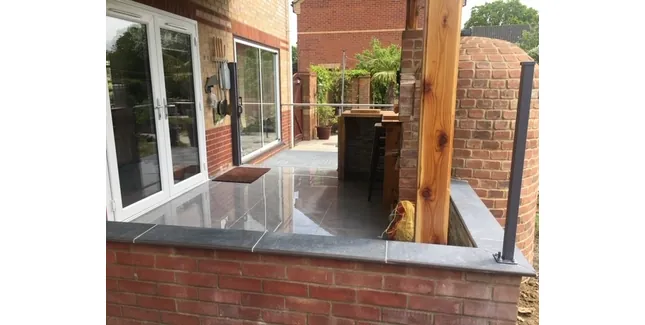
Twice weathered coping stones feature a central ridge with slopes on both sides, allowing water to run off evenly.
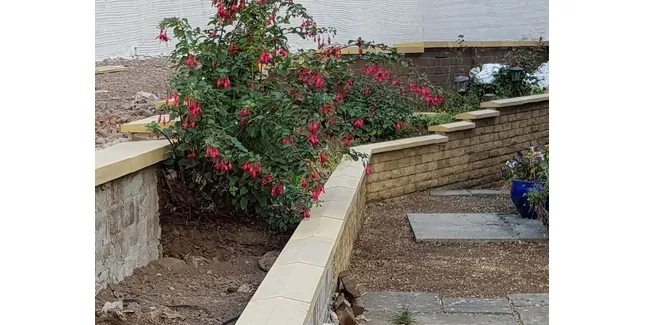
They are often the most practical choice for freestanding garden walls, boundary walls and traditional landscaping projects.
All of our concrete coping stones are made with integral drip checks on the underside. Drip checks are essential as they stop rainwater from tracking back under the coping and down the face of the wall.
By directing water away from the masonry below, drip checks help to reduce staining, protect mortar joints, and extend the overall lifespan of the wall structure.
Manufactured under controlled conditions, our twice weathered copings offer consistent sizing, strength, and reliability, making installation straightforward and ensuring a professional finish every time.
Natural stone coping stones are ideal for enhancing the visual appeal of garden walls.
Benefits:
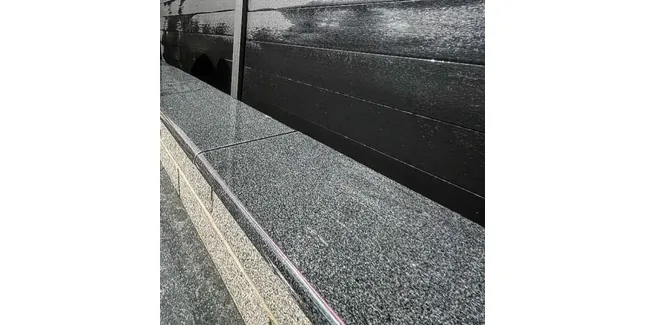
Granite coping stones are ideal when you want a premium, long-lasting finish for garden walls, borders, parapet walls, pool edges or other upstand projects. They are especially suited to landscaping projects where appearance is a key part of the design.
Flat coping stones offer a clean, contemporary finish and are often used in modern garden designs, making them best suited for minimalist landscaping designs, raised beds and seating walls, and more contemporary outdoor spaces.
The flat profile provides a clean, level appearance that works well with both contemporary and traditional builds.
While they do not have a weathered slope, they are designed to protect the wall beneath by covering the full width of the masonry and helping to shield it from direct exposure to rainfall.
When selecting coping stones, consider the following:
Also ensure correct installation with adequate overhang (typically 25-40mm) to allow water to drip away from the wall.
The best coping stone depends on where it is being used. Flat roofs often benefit from once weathered, concrete or porcelain coping stones, which prioritise drainage, durability and resilience.
Garden walls are often better suited to twice weathered, flat or decorative stone options that balance protection, with visual appeal.
The right choice depends on the wall type, exposure level, drainage requirements and the finish you want to achieve.
Browse our wide range of coping stones, pier caps and accessories to complete your roofing or landscaping project.
If you’re still deciding which option is right for your project, our comprehensive guide to coping stones explains the key differences between profiles, materials and applications.