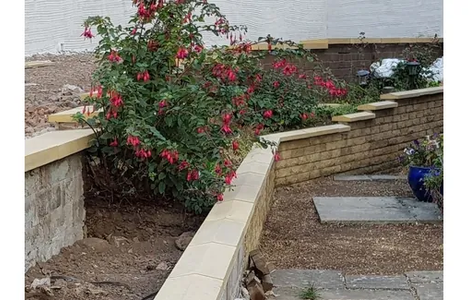
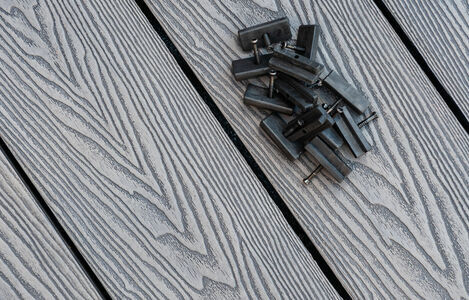
When building or upgrading a garden wall, the finishing details matter just as much as the structure itself. Coping stones for garden walls provide essential weather protection, while creating a clean, polished finish that enhances your outdoor space.
In this guide, we’ll explore creative ideas for using coping stones in garden walls, practical benefits and how to choose the right style for your project.
For a deeper dive into materials and installation basics, take a look at our comprehensive coping stones guide.
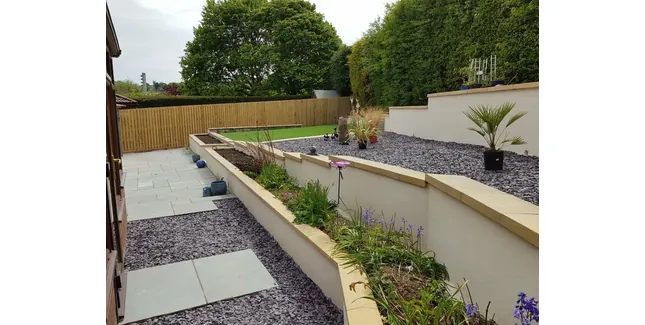
Before choosing coping stones for a garden wall, it helps to understand their wider purpose. Our guide to what coping stones are used for explains how they protect walls, improve drainage and create a finished look across different projects.
Their primary role is to shield the wall from rainwater, preventing moisture from seeping into the structure and causing long-term damage.
But beyond protection, coping stones also serve a visual purpose, adding a clean, polished finish that can elevate the overall design of your garden.
Coping stones help direct water away from the wall surface, reducing the risk of cracking, frost damage and erosion over time. This is especially important in the UK, where frequent rainfall can quickly wear down unprotected masonry.
By preventing water from running down the face of the wall, coping stones also minimise staining, moss growth and unsightly streaking. Over time, this helps maintain a cleaner, more consistent appearance with less ongoing maintenance.
In addition, effective water management reduces pressure on mortar joints and brickwork, helping to preserve the structural integrity of the wall and avoid costly repairs in the future.
By acting as a barrier against the elements, they extend the lifespan of your wall, especially important in the UK’s unpredictable weather conditions.
Coping stones help reduce the constant cycle of wetting and drying that can weaken masonry over time. By limiting water penetration, they protect the internal structure of the wall from gradual deterioration and structural fatigue.
This added layer of protection is particularly valuable for older walls or those built with more porous materials, where moisture can cause long-term damage if left unchecked. Over time, this means fewer repairs, lower maintenance costs and a wall that retains its strength and appearance for years to come.
From smooth modern finishes to traditional stone textures, coping stones can dramatically change the look of your garden wall.
They act as a visual finishing touch, giving your wall a more complete and polished appearance rather than an unfinished edge. The right coping choice can elevate even a simple wall design, turning it into a standout feature within your garden.
With a wide variety of colours, profiles and materials available, coping stones also allow you to tailor the look to suit your overall outdoor style, whether that’s contemporary, rustic or something in between. This added design flexibility makes it easier to create a cohesive and visually appealing space.
Well-finished walls enhance the overall appearance of your garden, which can positively impact property value, as well as your own enjoyment of your outdoor space.
A garden with clearly defined, professionally finished features often creates a stronger first impression and adds to the perceived quality of the property.
Beyond aesthetics, the added protection and durability coping stones provide can also be seen as a practical investment. By reducing the likelihood of future repairs or structural issues, they help maintain the condition of your walls over time, something that can be appealing during property surveys or valuations.
Altogether, coping stones offer a relatively simple upgrade that delivers both visual and long-term financial benefits.
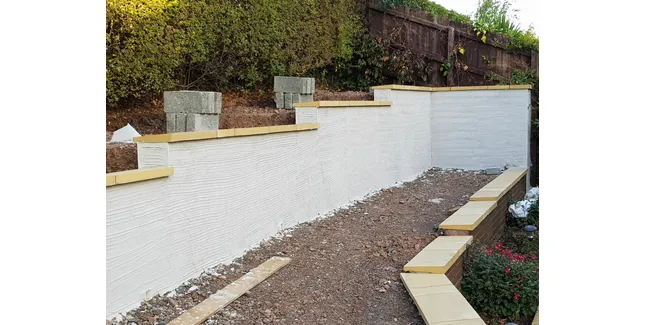
Opt for sleek, flat coping stones in neutral tones like grey, black, or white. These create a minimalist, modern finish that works well with rendered or brick walls.
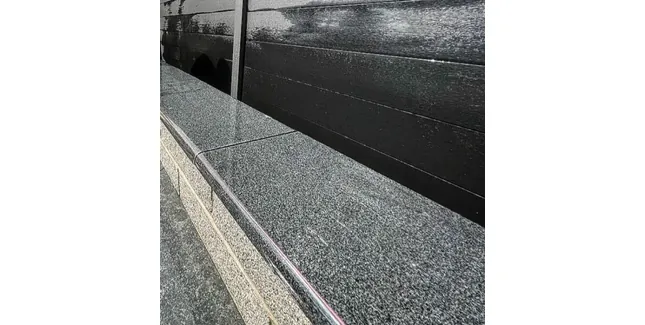
Choose coping stones with a slight overhang for both visual impact and improved water runoff.
For a more classic garden aesthetic, consider textured or natural stone coping. Sandstone or limestone options pair beautifully with older brickwork or cottage-style gardens.
These styles add warmth and character, while still providing practical protection.
Coping stones aren’t just for boundary walls; they’re also ideal for topping raised planters and seating walls. Use smooth coping stones to create comfortable seating edges and match materials with your patio for a cohesive design. This simple design choice can transform a plain wall into a standout feature.
If your garden includes curved walls, look for coping stones designed to accommodate angles and curves.
Bespoke or specially cut coping stones ensure a seamless finish without awkward gaps. Learn more about different coping stone shapes and options in our coping stones guide.
For a cohesive outdoor space, coordinate your coping stones with complementary paving, steps, thresholds or garden furniture. This helps tie different areas of the garden together for a more considered, high-quality finish, making your outdoor space a welcoming place to be.
When selecting coping stones, consider the material, size, overhang and overall finish. Common options include concrete, granite and porcelain, each offering different benefits in terms of durability, appearance and cost.
A slight overhang is important with coping stones because it allows rainwater to drip clear of the wall face, rather than running down the brickwork or rendering. This helps reduce staining, algae growth, frost damage and long-term moisture issues.
Smooth finishes suit modern designs, while textured finishes complement traditional settings. It’s about finding what works best for your outdoor space, and with Roof Giant, you can find a range of products to help you achieve your dream garden.
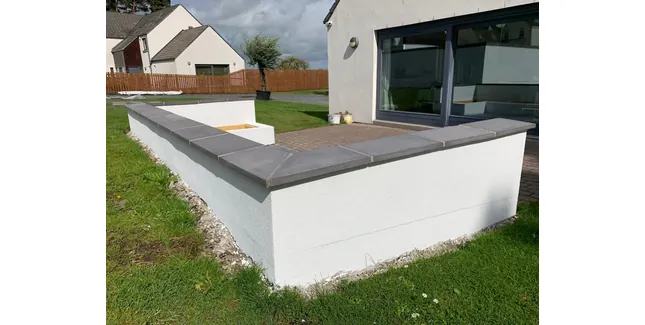
For more detailed advice on materials, sizing, installation, and maintenance, read our guide to flat roof and garden wall coping stones.
Look for frost-resistant materials that can withstand the UK climate. Coping stones are constantly exposed to rain, temperature fluctuations and freeze-thaw cycles, so choosing the right material is essential for long-term performance.
For example, porcelain coping stones offer strong resistance to frost, staining, chemicals and water absorption. As porcelain is virtually non-porous, it can help reduce water ingress, while providing a clean, contemporary finish.
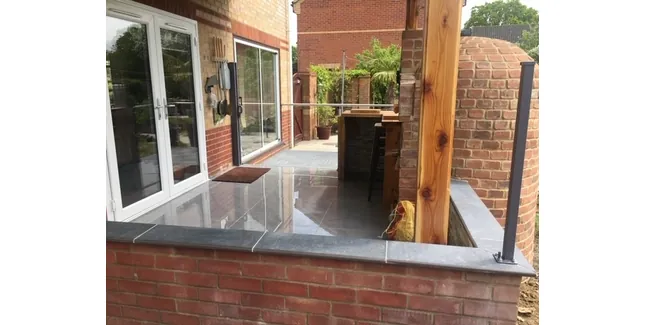
High-quality concrete and porcelain coping stones are durable choices designed to withstand harsh outdoor conditions. Many also include features such as drip grooves to help shed water more effectively, further reducing the risk of damage.
By investing in weather-resistant coping stones, you not only protect your wall from deterioration, but you also reduce maintenance needs and avoid costly repairs in the future.
Proper installation is key to maximising both the performance and lifespan of your coping stones. Before fitting your coping stones, take a look at our guide to common mistakes when installing coping stones so you can achieve a secure, long-lasting finish.
Taking the time to install coping stones correctly will make a significant difference to both their performance and longevity. Poor installation can lead to loose stones, water penetration and premature damage, especially in areas exposed to heavy rainfall or frost.
It’s also important to ensure consistent spacing and alignment throughout the installation to achieve a clean, professional finish.
Correct installation is essential for long-term performance, especially in exposed outdoor areas. Our guide on how to secure coping stones explains the key fixing methods and considerations.
Coping stones are a small detail that makes a big difference. Whether you’re aiming for a sleek modern finish or a timeless traditional look, they provide essential protection while enhancing your garden’s design.
By choosing the right style and installing them correctly, you can transform ordinary walls into durable, attractive features that stand the test of time.
For more advice, product options and installation guidance, explore our full coping stones guide.