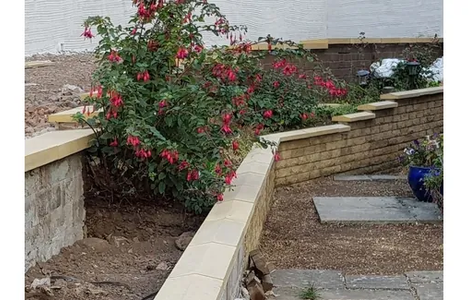
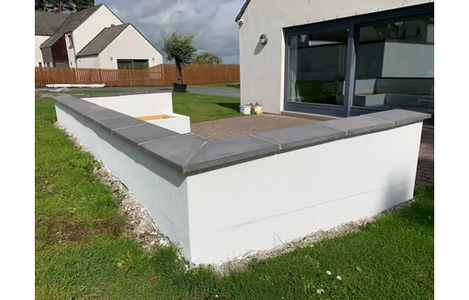
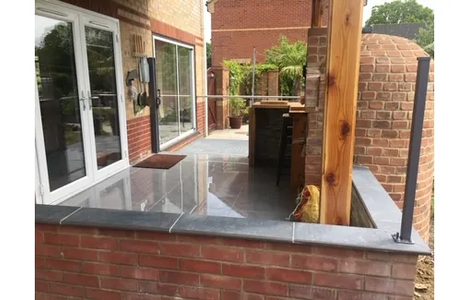
Retaining walls are exposed to moisture from rainfall, groundwater and damp soil. Without proper protection at the top of the wall, water can seep into the structure and cause staining, cracking, frost damage and gradual deterioration.
Coping stones are a highly effective way to protect retaining walls. They help shed water away from the wall face, reduce water ingress and create a neat, finished appearance. For most retaining wall projects, they are a smart and worthwhile addition.
The best type of coping stone will depend on your wall design, drainage requirements and preferred finish. In this guide, we explain why coping stones matter, when they are most important and how to choose the right option for you.
Water is one of the biggest threats to any masonry structure, and retaining walls are especially vulnerable because they are often in constant contact with damp ground.
Coping stones act as a protective cap, helping to prevent rainwater from entering through the top of the wall. They also direct water away from the wall face, reducing the risk of damp patches, staining, erosion and freeze-thaw damage during colder months.
By stopping water from lingering on or inside the wall, coping stones can make a significant difference to its long-term condition.
One of the main benefits of coping stones is that they can help extend the lifespan of a retaining wall.
By reducing water ingress, coping stones help protect the mortar, brickwork, blockwork or stone beneath. Over time, this can lower the risk of common problems such as cracking, loose joints, surface wear and weather-related damage.
This means fewer repairs, less ongoing maintenance and better long-term value from your retaining wall.
Coping stones are particularly important for retaining walls that are exposed to the elements year-round. Freestanding walls, boundary walls and walls exposed on both sides are especially vulnerable because they have little natural protection from rainwater.
Different coping profiles are available depending on how the wall needs to drain:
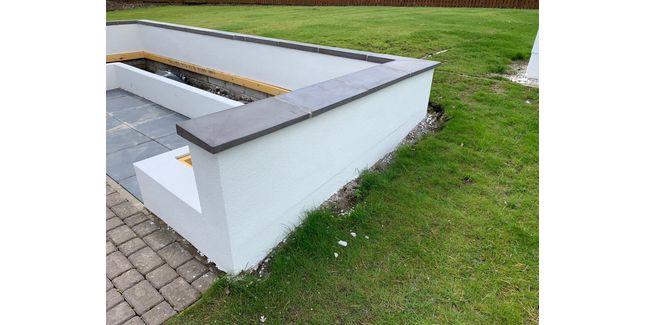
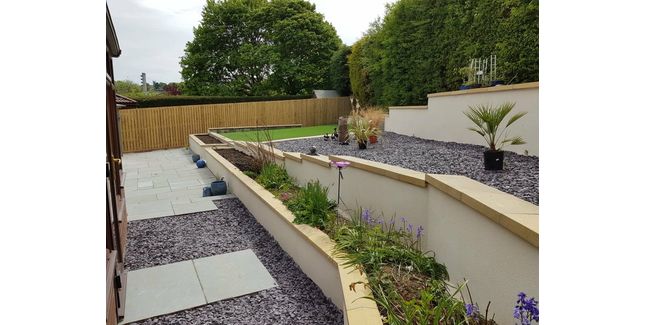
Choosing the right profile helps ensure rainwater is directed away from the wall properly, rather than running down the face and causing staining or saturation.
Coping stones are not only practical; they also improve the overall appearance of a retaining wall by creating a clean, finished top edge.
With a wide range of materials available, including concrete, porcelain and granite, it is easy to choose a style that complements your garden, patio or driveway.
Whether you want a modern, minimal finish or a more traditional look, coping stones can help tie the wall into the rest of your outdoor space.
Coping stones can also make a retaining wall safer and more practical.
A smooth, uniform top surface helps reduce sharp, rough or uneven edges, which is especially useful in family gardens, public spaces or areas where people may sit near the wall.
A well-finished wall can also become a more usable garden feature, rather than simply a structural element.
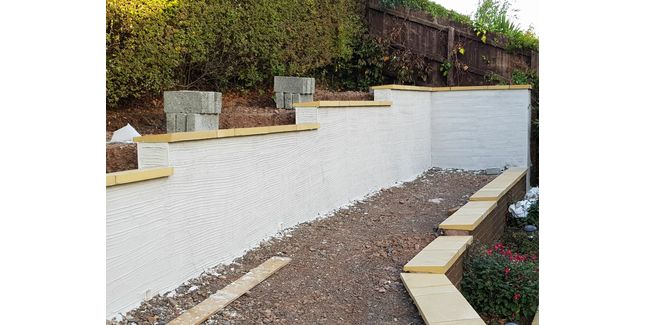
Coping stones are not required in every situation, but they are strongly recommended for most retaining walls, especially those exposed to rain, frost and changing weather conditions.
Leaving the top of a retaining wall uncovered may reduce upfront costs, but it can increase the risk of future maintenance issues. Without coping stones, water can enter the wall from above and gradually weaken the structure.
Common problems can include:
In most cases, installing coping stones is a relatively small investment that can help prevent more expensive repairs in the future.
When selecting coping stones for a retaining wall, consider both performance and appearance.
Key factors include:
We offer a wide range of coping stones suitable for retaining walls, with options designed to balance durability, weather protection and visual appeal.
Once you’ve chosen the right type of coping stones, correct installation is just as important. To help prevent issues such as poor alignment, weak adhesion or inadequate overhang, read our guide on how to avoid common mistakes when installing coping stones.
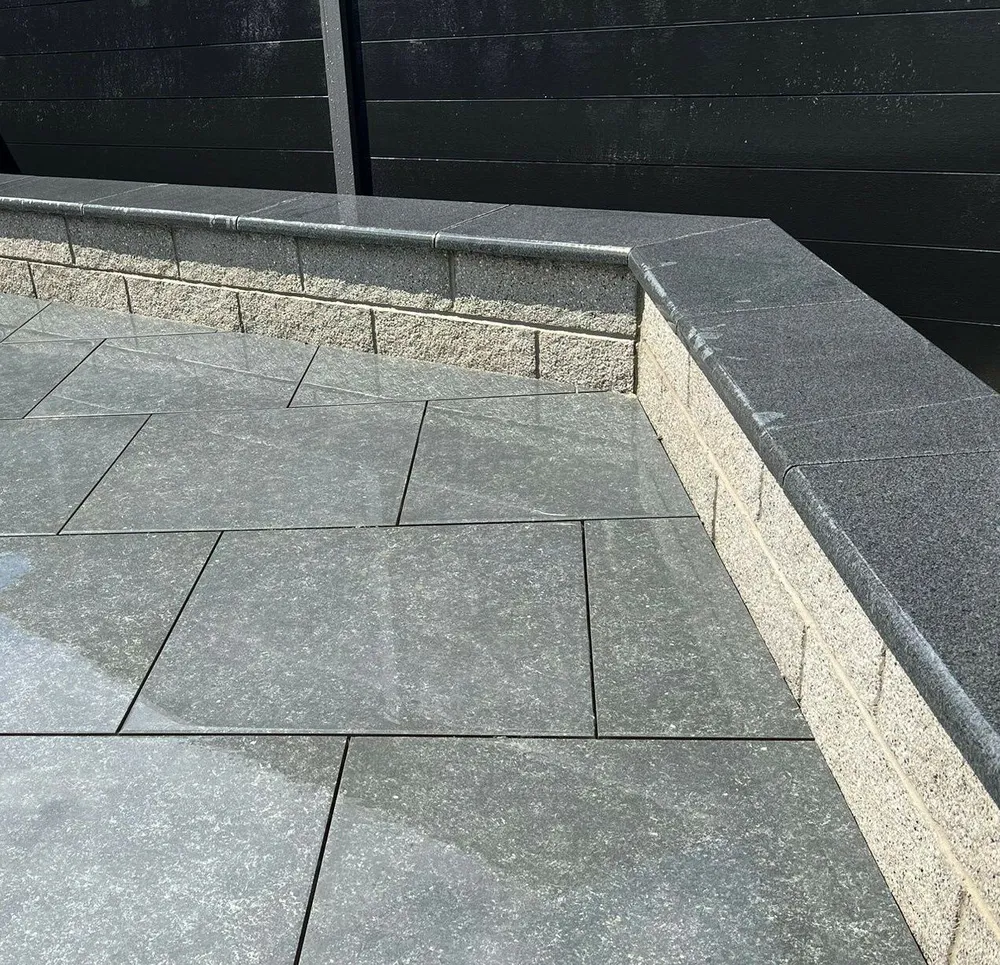
Coping stones are more than a decorative finishing touch. They are a practical protective feature that can improve the durability, performance and appearance of a retaining wall.
By helping to prevent water damage, reduce maintenance and protect the wall from weathering, coping stones offer long-term value for both domestic and commercial landscaping projects.
Browse our range of coping stones, and read our coping stones guide for more advice on choosing the right option for your wall.