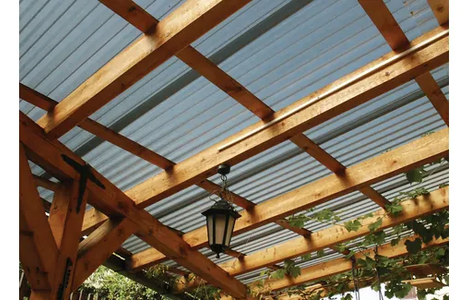
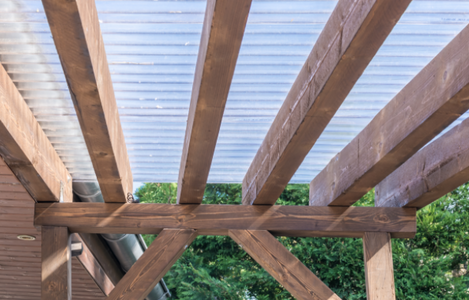
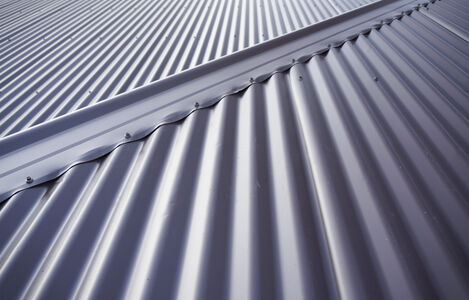
Polycarbonate roofing sheets are a strong, lightweight and practical roofing option for projects where natural light and weather protection are both important. They are commonly used for greenhouses, carports, canopies, lean-tos, pergolas, verandas, conservatories and covered walkways.
At Roof Giant, you can shop a wide range of polycarbonate roofing sheets, including twinwall, multiwall, corrugated and cut-to-size options, along with the polycarbonate roof sheet fixings and accessories needed to complete your installation.
Choose polycarbonate roofing sheets when you need a roof covering that lets natural light through while still offering reliable weather protection. They are especially useful for greenhouses, carports, lean-tos, verandas, pergolas and canopies.
For smaller sheltered projects, twinwall sheets are often suitable, while larger or more exposed roofs may benefit from thicker multiwall or corrugated polycarbonate sheets.
For a wider comparison of sheet materials, including PVC, metal, bitumen, fibre cement and GRP, read our Roofing Sheets Buyer’s Guide.
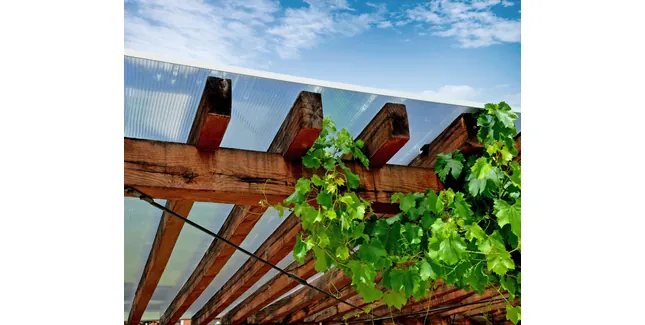
Polycarbonate roofing sheets are lightweight plastic sheets designed to admit natural daylight while protecting the area below from rain and changing weather conditions. They offer a practical alternative to glass, providing good impact resistance without the same weight or handling difficulties.
This makes them a popular choice for domestic, garden and light commercial roofing projects.
Whether you are replacing greenhouse panels, creating a sheltered patio area or fitting a new carport roof, polycarbonate sheets offer a reliable solution that is easy to work with and available in a range of thicknesses, colours and finishes.
Polycarbonate roofing sheets are suitable for a wide variety of applications where natural light is beneficial.
They are often used on greenhouses, cold frames, conservatories, verandas, lean-to roofs, carports, canopies, pergolas, covered walkways and garden buildings.
They are especially useful in areas where a solid roofing sheet would make the space too dark. Clear sheets can help maximise daylight, while tinted or diffused options can reduce glare and create a softer, more comfortable finish.
Polycarbonate is chosen because it combines strength, light transmission and ease of installation. It is lighter than glass, easier to handle on site and more impact resistant, making it well suited to outdoor structures that need to stand up to everyday use and changing weather.
Polycarbonate roofing sheets are also available in different finishes, including clear, bronze, opal and heatguard options. This means you can choose a sheet that suits the way the space will be used, whether you want maximum brightness, added shade, reduced glare or a more private appearance.
Many polycarbonate sheets can also be ordered in cut-to-size options, helping reduce waste and making installation more straightforward for bespoke roofs, replacement panels and non-standard projects.
Choosing the right type of polycarbonate sheet will depend on your project, the structure below, the amount of light you want and the level of insulation or rigidity required.
Twinwall polycarbonate sheets are made with two outer layers connected by internal ribs. This creates a lightweight but strong hollow sheet that offers a good balance of light transmission, durability and insulation.
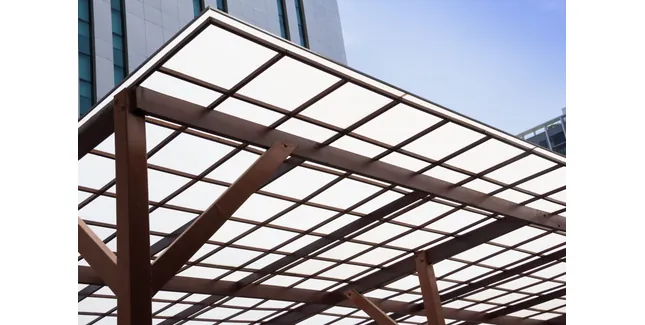
Twinwall sheets are often used for greenhouses, cold frames, canopies, pergolas and smaller lean-to roofs. They are a practical choice for projects where you need something more robust than a single skin sheet but still want a cost-effective, easy-to-handle roofing material.
Multiwall polycarbonate sheets have several internal layers, which gives them greater rigidity and improved insulation compared with thinner sheets. They are well suited to larger or more exposed installations where extra strength and thermal performance are important.
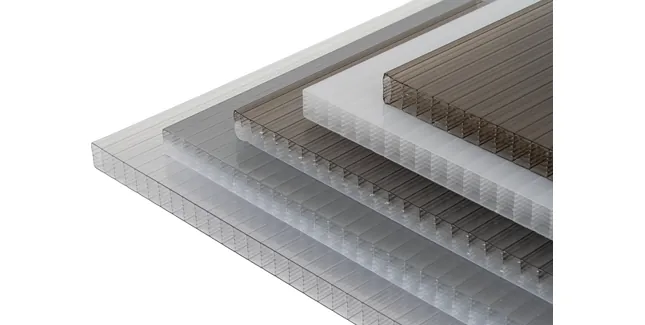
They are commonly used for conservatories, verandas, carports, covered walkways and larger lean-to roofs. Thicker multiwall sheets can help create a more substantial roof finish while still allowing natural light into the space below.
Corrugated polycarbonate sheets have a profiled shape that adds strength and helps rainwater run off the roof when installed at the correct pitch. They are often used for carports, sheds, side shelters, pergolas, garden buildings and covered outdoor areas.
This type of sheet is a good option where you want a simple, lightweight roof covering with good light transmission and straightforward installation.
Cut-to-size polycarbonate sheets are made to suit your required measurements. This can be particularly helpful for replacement panels, bespoke canopies, lean-tos, greenhouses and garden structures where standard sheet sizes may not be suitable.
Ordering sheets to size can reduce cutting on site, minimise waste and help create a neater installation.
Sheet type Common uses Main benefits Twinwall Greenhouses, cold frames and small canopies Lightweight and economical Multiwall Conservatories, verandas and lean-tos Greater rigidity and insulation Corrugated Carports, pergolas and outdoor shelters Simple installation and drainage Cut-to-size Replacement panels and bespoke projects Less cutting and waste
Polycarbonate sheets are available in a range of thicknesses. Thinner sheets, such as 4mm or 6mm options, are generally better suited to lightweight applications such as cold frames, greenhouse glazing and smaller sheltered projects.
Depending on the supporting structure and manufacturer’s guidance, 10mm sheets may be suitable for greenhouses, canopies and smaller sheltered roofs. For larger carports, verandas and domestic roofing projects, thicker options such as 16mm sheets can provide greater rigidity and improved insulation. Sheets around 25mm thick are often considered for conservatories and larger lean-to roofs where additional thermal performance is required.
As a general rule, larger or more exposed roofs will usually benefit from a thicker sheet, while smaller sheltered projects may only need a lighter option.
The finish you choose will affect how much light, shade, privacy and glare control your roof provides.
Clear polycarbonate sheets allow the most natural daylight through, making them ideal for greenhouses, conservatories and bright covered areas. Bronze sheets have a tinted finish that helps soften direct sunlight and reduce glare, making them a good choice for patios, verandas and carports.
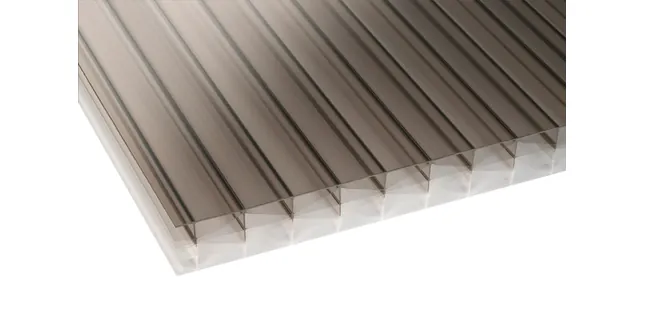
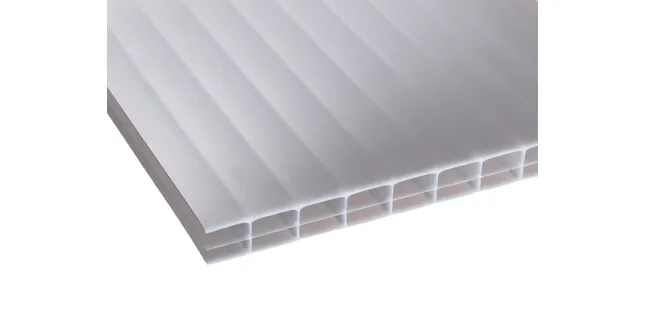
Opal sheets provide a more diffused appearance, allowing light through while offering added privacy and a cleaner, softer look. Heatguard sheets are designed to help manage heat and glare, making them useful for south-facing areas, conservatories and outdoor seating spaces that can become too hot in bright weather.
Compared with PVC roofing sheets, polycarbonate is generally stronger and more impact resistant, making it a better choice for longer-lasting installations where durability matters.
Compared with metal roofing sheets, polycarbonate allows daylight through, which makes it better suited to canopies, carports, greenhouses and covered outdoor areas. If you are comparing all available options, browse our full roofing sheets range or read our Roofing Sheets Buyer’s Guide for more advice.
A good polycarbonate roof relies on the correct accessories as well as the sheets themselves.
Depending on the sheet type and roof design, you may need glazing bars, end closure profiles, H profiles, C profiles, F profiles, breather tape, aluminium sealing tape, fixing buttons, screw caps, foam fillers, wall flashing or side flashings.
These accessories help support the sheets, seal exposed edges, allow for expansion and create a neat, weather-resistant finish.
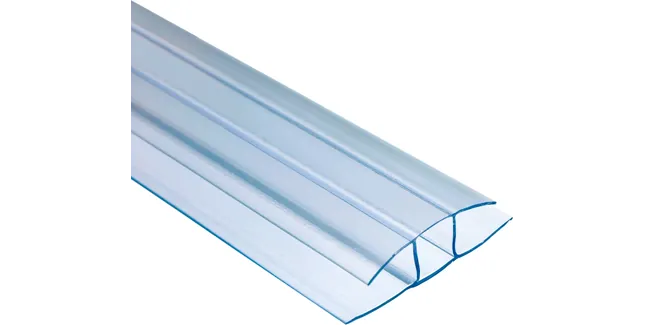
Using compatible accessories is important, as incorrect fixings or profiles can affect the performance and lifespan of the roof.
Before ordering, measure the total roof width and the full slope length from top to bottom. You should also check the spacing between rafters or supports, as this can affect the sheet thickness and glazing system you need.
It is also important to consider any overlaps, joining profiles, edge details, wall abutments and open sides. If you are unsure which size to order, cut-to-size polycarbonate sheets can make planning easier and help reduce unnecessary waste.
Always check the manufacturer’s fitting guidance before ordering, as requirements can vary depending on the sheet type, thickness and roofing system.
Do not assume that the sheet dimensions should exactly match the visible roof area. The required size may need to account for glazing bars, expansion gaps, end closures and the recommended overhang. Follow the measurements supplied for the specific roofing system before placing your order.
Polycarbonate sheets should be installed at the minimum roof pitch specified by the sheet or roofing-system manufacturer. This allows rainwater to drain effectively and helps reduce the risk of standing water, dirt build-up and leaks.
It is also important to allow for thermal expansion. Polycarbonate expands and contracts as temperatures change, so sheets should not be fixed too tightly. The correct fixings and profiles will hold the sheets securely while still allowing enough movement.
Many sheets also have a UV-protected side, which must face outwards. Multiwall and twinwall sheets have open channels that should be sealed using suitable tapes and closure profiles to help prevent dirt, insects and moisture from entering the sheet.
Common mistakes when installing polycarbonate roofing sheets include choosing sheets that are too thin for the project, fitting the UV-protected side the wrong way up, installing the roof with too little pitch, using incorrect fixings or over-tightening screws.
Other issues include leaving sheet channels unsealed, failing to allow for expansion, ordering without checking support spacing or mixing incompatible sheet systems and accessories.
Taking time to plan the installation properly will help create a stronger, neater and more reliable roof.
Polycarbonate roofing sheets are relatively low maintenance, but occasional cleaning will help keep them looking clear and performing well. Use warm water, mild soap and a soft cloth or sponge to remove dirt and debris.
Avoid abrasive pads, harsh chemicals and pressure washers, as these can scratch or damage the sheet surface. Leaves and moss should also be cleared from gutters, glazing bars and lower roof edges to help maintain good drainage.
The best polycarbonate roofing sheet depends on the project. For greenhouses, clear twinwall or multiwall sheets are a good choice because they allow plenty of light through while offering better impact resistance than glass.
For carports and larger covered areas, thicker multiwall or corrugated polycarbonate sheets can provide added strength and weather protection. For patios, pergolas and verandas, bronze, opal or heatguard sheets can help reduce glare and create a more comfortable shaded space.
For conservatories or larger lean-to roofs, thicker multiwall sheets are often the most suitable option, especially where improved insulation and a more substantial finish are important.
Here at Roof Giant, we supply a wide range of polycarbonate roofing sheets for domestic, garden and light commercial projects, including twinwall, multiwall, corrugated and cut-to-size options.
Our Solstice polycarbonate roofing sheets are suitable for a wide range of domestic and garden roofing applications. They combine a lightweight construction with strength, insulation, UV protection and good light transmission.
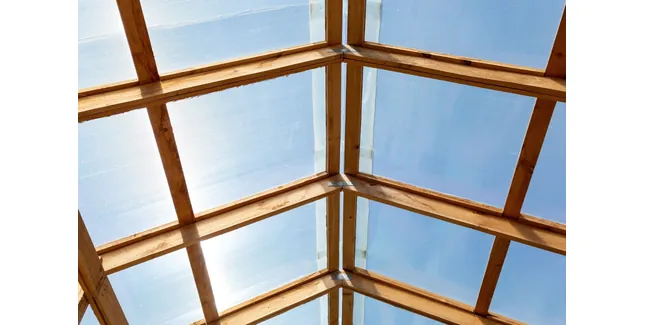
You can also find the accessories needed to complete your installation, including glazing bars, tapes, closure profiles, fixings and flashings.
Whether you are replacing greenhouse panels, building a carport, covering a veranda or creating a bright outdoor shelter, polycarbonate roofing sheets offer a strong, lightweight and practical solution.
If you are still comparing polycarbonate with PVC, metal, bitumen, fibre cement or GRP sheets, read our Roofing Sheets Buyer’s Guide for more advice on choosing the right sheet material for your project.