Following record-breaking rainfall, numerous flood warnings and severe weather alerts across the UK, all this has put enormous pressure on guttering systems as they take in extraordinarily high volumes of water. When gutters cannot keep up, water overflows quickly, soaking walls, damaging brickwork and often working its way into rooflines and loft spaces.
A high quality guttering system is therefore one of the most important defences your property has against heavy rain. It handles higher volumes of water more effectively, prevents sagging, protects the roof structure, reduces damp issues and helps direct water safely away from foundations. The best guttering materials also resist warping, splitting and corrosion, ensuring efficacy year after year, even during extreme weather events.
Choosing the wrong type of guttering can have expensive consequences. Overflowing gutters may cause staining to external walls, erosion of pointing and even internal damp patches that spread unnoticed until major repairs are needed. Cheaper or older guttering systems may crack in cold weather, pull away from fascia boards or become blocked more easily, all of which increases the risk of serious water damage.
In our latest blog, Roof Giant explores which guttering systems are the best for heavy rain, comparing the most popular gutter materials we have available, from plastic to cast iron and copper. If you want your home to stay protected during this year's storms and intense rainfall as well as the next, selecting the right guttering system is a decision worth getting right the first time.
Plastic guttering, typically made from uPVC, is the most common guttering option due to its low cost and ease of installation. In extreme downpours, poorly installed plastic gutters may overflow more easily, particularly if the system is undersized. You can instead opt for a deep flow plastic guttering system, built to handle a greater volume of rainwater before overflowing. For many standard homes, good quality uPVC guttering remains a practical choice when fitted correctly and maintained regularly.
Modern plastic systems are designed to handle only moderate to heavy rainfall, so for those looking for guttering with real longevity, you should upgrade to a metal alternative to suit your property.
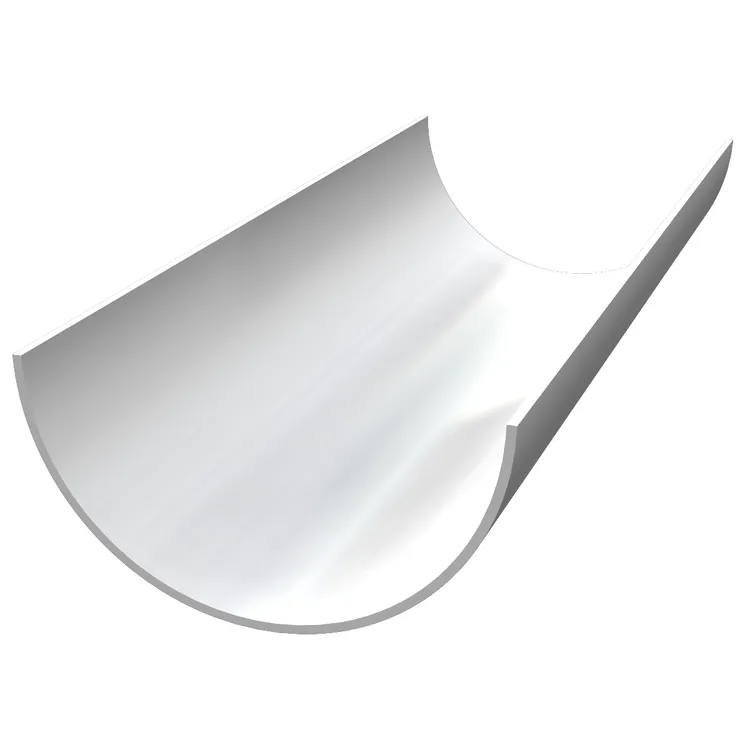
Stainless steel guttering is widely considered one of the best guttering systems for heavy rain because of its outstanding strength and durability. It can cope with high volumes of water without bending, sagging or distorting, even when installed on large roof areas. Its corrosion resistance makes it ideal for exposed properties, including coastal homes where salt air can quickly damage other materials. Stainless steel also delivers a modern, premium look, making it a strong choice for homeowners who want performance without sacrificing appearance.

Copper guttering is a premium-grade option that performs exceptionally well during heavy rain and extreme weather. It is naturally corrosion resistant and can handle continuous water flow without weakening over time. One of copper’s standout features is its special ability to develop a protective patina through natural, long-term oxidation. This patination process will create a tough, regenerative barrier that protects the underlying copper from further corrosion, meaning it can become even more resilient as it ages.
For homeowners looking for a long term solution that adds character and value to a property, copper is one of the finest guttering materials available.
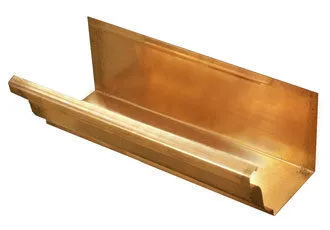
Zinc guttering is an excellent choice for heavy rain because it is durable, reliable and highly resistant to corrosion. Like copper, zinc forms a protective surface patina that helps it withstand decades of wet conditions without deteriorating. It is often specified for modern roofing projects because it pairs beautifully with contemporary materials and offers a sleek, understated finish. In terms of strength, lifespan and low maintenance performance, zinc is one of the best guttering systems available for UK weather.
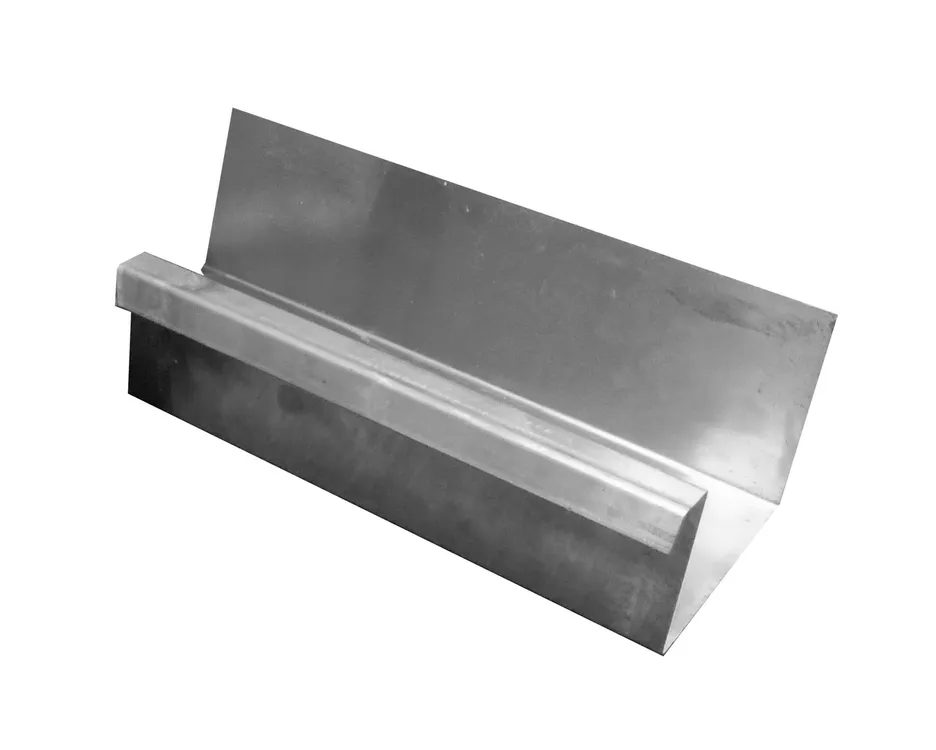
Cast aluminium guttering is a superb option for heavy rain, especially for homeowners who want traditional styling with modern reliability. It offers the look of cast iron but without the same level of weight and maintenance demands. The material is strong, resistant to corrosion and capable of managing heavy water flow without cracking or deforming. It is commonly chosen for period properties and quality refurbishments where the guttering needs to be both functional and visually in keeping.
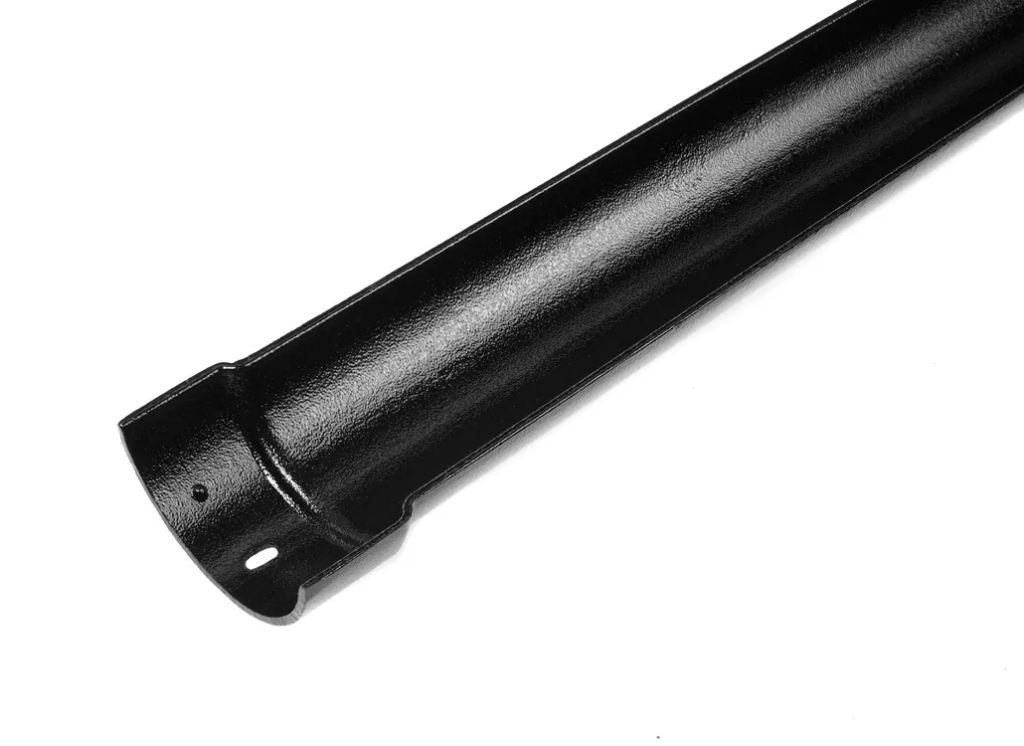
Aluminium guttering is one of the most popular high performance choices for heavy rain due to its strength and lightweight design. It is far less likely to warp or sag compared to plastic guttering, particularly when installed with the correct bracket spacing. Powder-coated aluminium also offers excellent protection against corrosion, making it suitable for most outdoor environments. For homeowners seeking a long-lasting and cost-effective upgrade, aluminium is often one of the best overall guttering systems available.
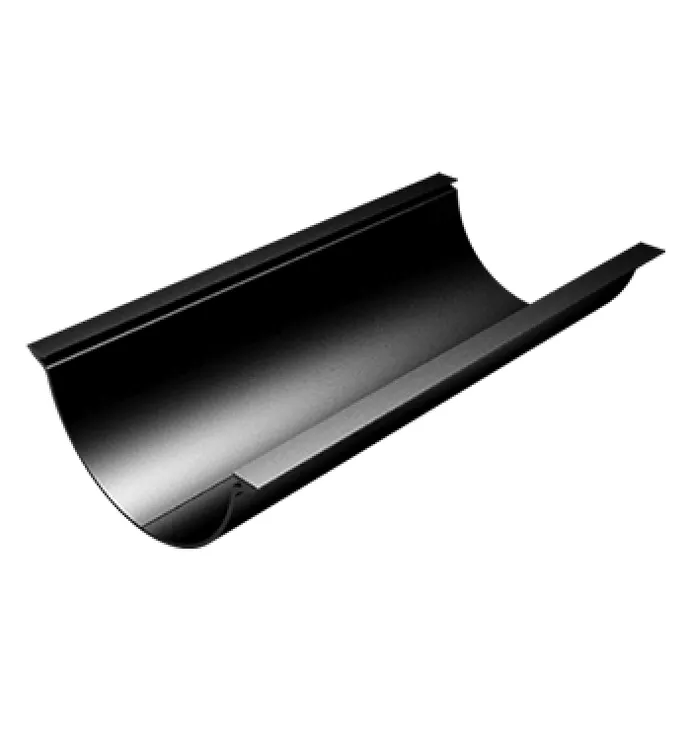
Cast iron guttering remains a trusted option for heavy rain thanks to its solid cast-metal construction and traditional deep flow design. It has been used on heritage, listed, classic and period buildings for generations, and is particularly common on older Victorian or Georgian properties where the original guttering needs to be preserved or matched. When properly maintained, cast iron can handle intense rainfall for decades without failing. However, it does require regular painting and upkeep to prevent corrosion, especially during prolonged wet seasons.
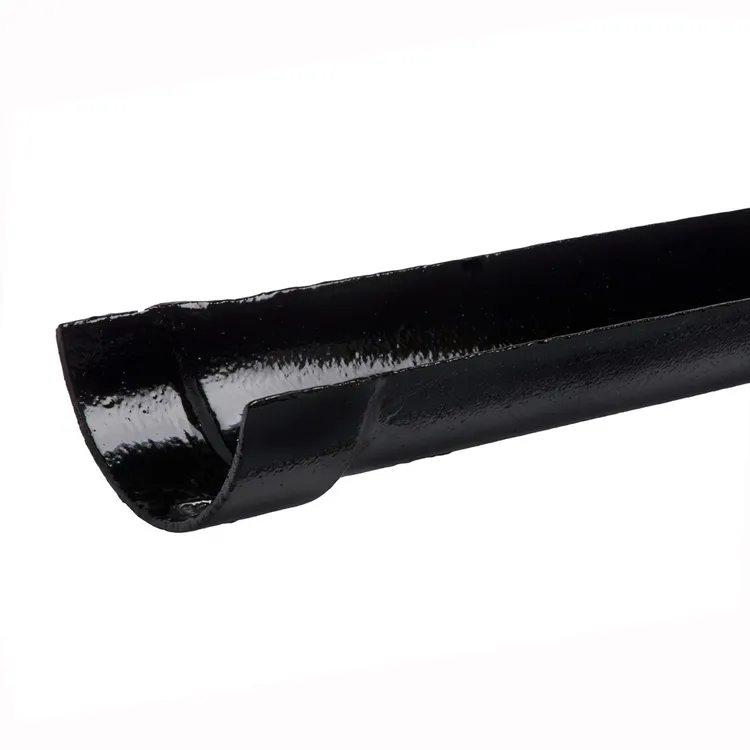
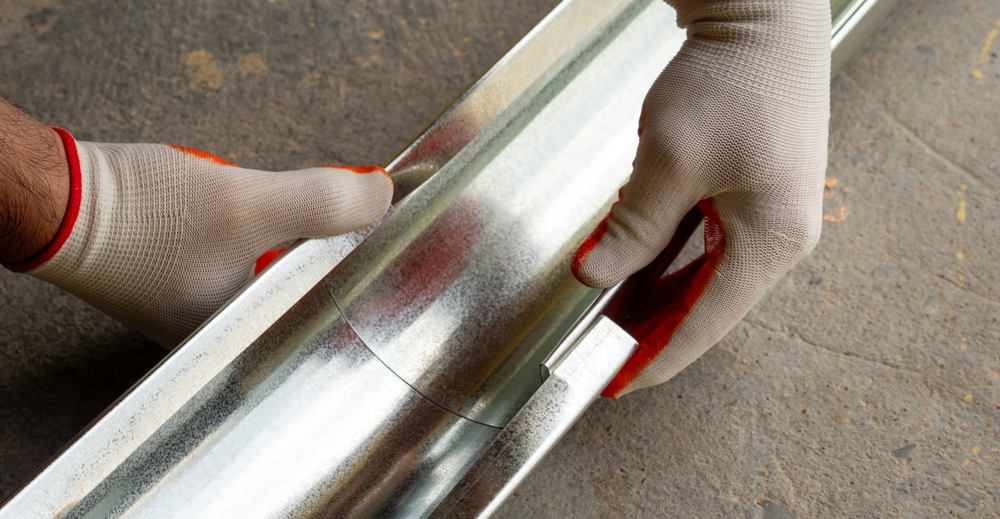
Steel guttering, often galvanised or coated for protection, is a strong and practical choice for heavy rainfall areas. It is commonly used on commercial buildings, agricultural units and larger properties where strength is an essential requirement. Steel performs well under pressure and can manage large roof drainage systems effectively. The key is ensuring the protective coating remains intact, as exposed steel can rust over time if neglected.

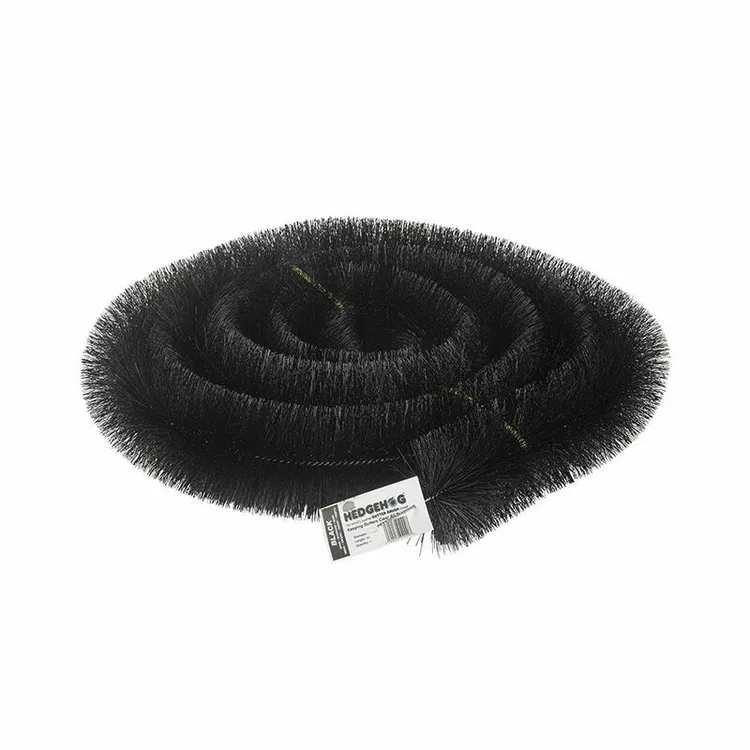
Even the best guttering system can fail during heavy rain if it becomes blocked with leaves, moss and debris. Gutter guards and brushes are a smart addition, especially for properties near trees or in areas prone to windblown debris. By keeping water flowing freely, gutter protection reduces the risk of overflowing as well as damp problems and water staining on external walls. For homeowners who want to improve performance during storms, gutter guards are often one of the most cost effective upgrades available.
When it comes to choosing the best guttering systems for heavy rain, stainless steel, copper and zinc sit at the top for long term performance, durability and reliability. Aluminium and cast aluminium provide excellent all round value, while cast iron remains the gold standard for traditional buildings. Plastic guttering can still be effective, but only when high quality materials are used and the system is properly installed and maintained. If heavy rain is becoming a regular issue for your property, upgrading your guttering system could be one of the smartest roofing investments you make.