Flat Roof Replacement Guide

When does a flat roof need replacing?

In our flat roof repair guide, we outlined the steps necessary to repair sections of your flat roof and addressed common roofing issues. But if these repairs have failed, or your roof shows signs of widespread deterioration, a full flat roof replacement may be required.

Common signs your flat roof needs replacing include:

  • Persistent or severe roof leaks
  • Excessive ponding water that does not drain
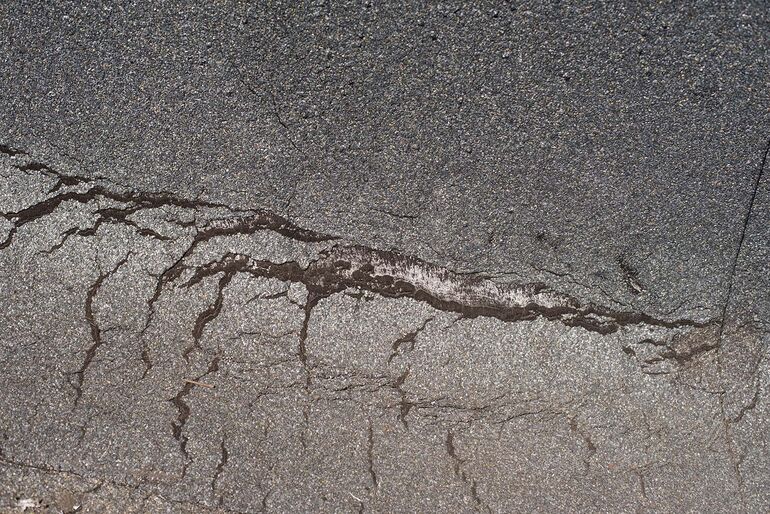
  • Large cracks, splits, or membrane failure
  • Widespread blistering caused by adhesion failure
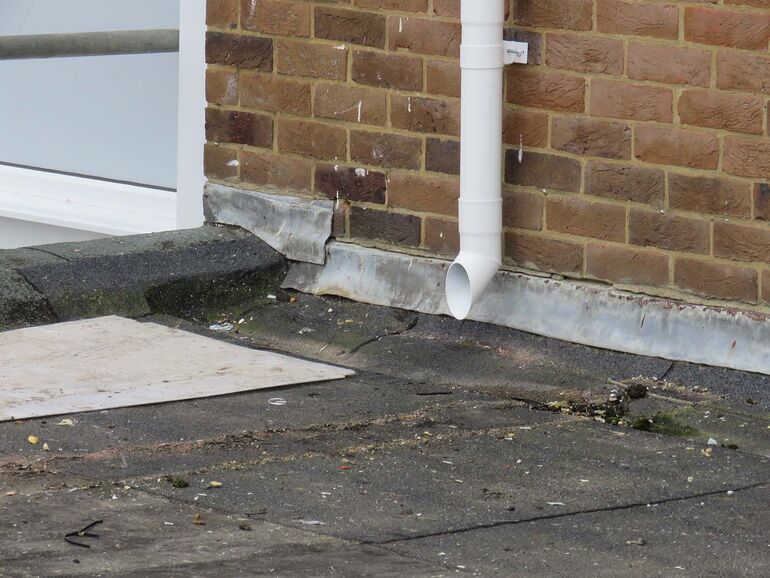
  • Moss, algae, or organic growth indicating trapped moisture

While some of these issues can be temporarily repaired, extensive damage often makes replacement the more cost-effective and long-term solution.

This guide covers modern flat roof replacement methods for roofing felt, EPDM rubber, and GRP fibreglass roofing systems.

Fig 1
Fig 2

Things to consider before replacing your flat roof

Once the existing roofing material is removed, it is essential to inspect the substrate and supporting structure before installing a new system.

Check for damp or saturated insulation; damaged or uneven decking; structural weakness in timber joists; and signs of wet rot or dry rot.

If the substrate is defective or structurally unsound, it must be replaced before proceeding. Modern roofing standards also recommend ensuring correct falls and drainage to prevent future ponding issues.

Felt removal & replacement process

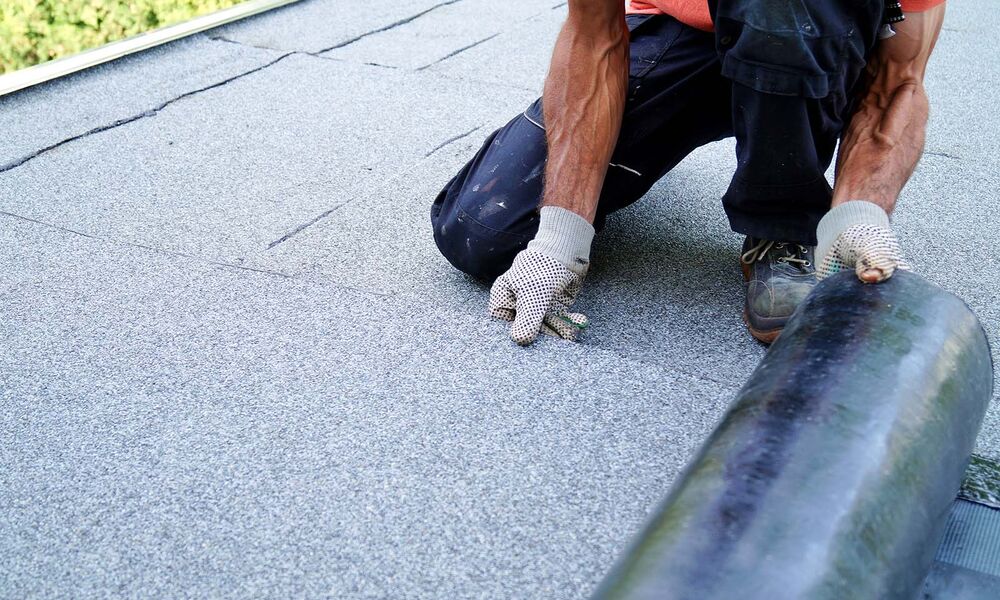
Fig 3

Roofing felt remains a widely used flat roofing material due to its cost-effectiveness and versatility. Modern felt systems (including torch-on and high-performance bitumen membranes) are commonly used on garages, extensions, and outbuildings. Felt roofs are relatively affordable to install, maintain, and replace, making them a practical option for many applications.

There are two primary installation methods: torch-on systems (typically installed by professionals) and cold-applied adhesive systems, which are more suitable for DIY projects. Below, we outline how to remove old felt and install a new system using the adhesive method.

Felt roof removal

Using a stripping spade, begin lifting the felt by working underneath the layers to expose the timber decking. Aim to work at an angle of approximately 30° - 40° to help separate bonded layers from the deck. Fully-bonded systems may take longer to remove and require more effort.

Remove any remaining fixings such as nails using a claw hammer, and ensure all old material is cleared away. Once complete, sweep the deck thoroughly to remove debris and check for damage or uneven areas before proceeding.

Quick Tip: Removing the felt reduces the roof's structural integrity, so take care when standing or moving across exposed decking.

Adhesive felt roof replacement

  1. Before installation, ensure the roof deck is clean, dry, and free from dust, debris, and organic growth by using a stiff-bristled brush, and then a scraper to get rid of any remaining dirt. A smooth, sound surface is essential for proper adhesion.
  2. Measure and cut the felt, allowing 50mm - 75mm overlaps at edges and joints. Position the first layer and secure it along the top edge using galvanised clout nails. Carefully dress the roofing felt over edges and corners for a neat finish.
  3. Apply a compatible roofing adhesive evenly and allow it to become tacky before laying the next section. Press overlaps firmly to remove trapped air and ensure full contact. Mechanical fixings may be used at laps and edges for additional security.
  4. Repeat the process until the roof is fully covered. For improved durability and lifespan, modern felt systems often use multi-layer builds or torch-on membranes installed by qualified professionals.

EPDM removal & replacement process

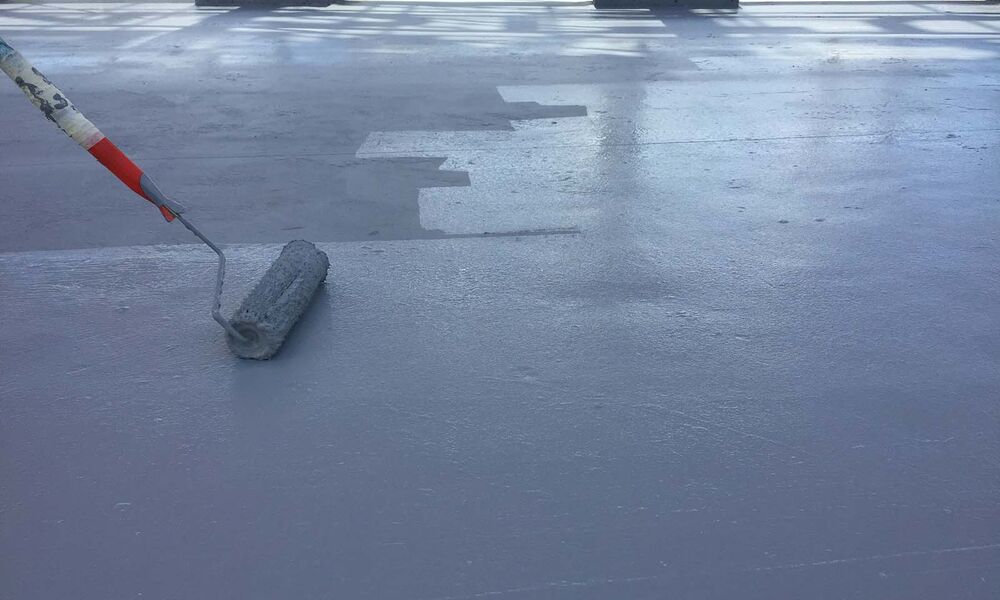
Fig 4

EPDM rubber roofing is one of the most durable and long-lasting flat roofing materials available, with a lifespan of up to 50 years when installed correctly. It is lightweight, cost-effective, and environmentally-friendly as it is recyclable, and suitable for green roof systems such as sedum installations. If your EPDM roof has been poorly installed, damaged, or has reached the end of its lifespan, a full replacement may be required.

EPDM roof removal

EPDM membranes are easier to remove in warmer conditions, as the material becomes more flexible. In colder temperatures, the rubber can stiffen, making removal more difficult.

Using a utility knife, cut the membrane into manageable sections. Cutting along seams can help speed up the process, but removal can still be time-consuming on larger roofs. Where necessary, use a heat gun to soften the adhesive and make it easier to lift the membrane from the deck.

Remove all remaining fixings such as nails or staples as you go, ensuring the surface is left clear.

Quick Tip: Always wear heavy-duty gloves and appropriate PPE to protect against sharp tools and materials.

EPDM roof replacement

Before installation, ensure the roof deck is clean, dry, and free from dust, debris, and old fixings. Allow the EPDM membrane to relax for at least 20 - 30 minutes after unpacking to reduce creasing.

Position the membrane over the roof, allowing sufficient overhang on all sides. Fold back one half of the membrane and apply a compatible contact adhesive evenly using a roller.

While the adhesive is still wet or tacky (as per manufacturer instructions), carefully lay the membrane back into place, smoothing it out to avoid wrinkles or trapped air. Repeat the process for the remaining section, working in manageable stages on larger roofs.

Secure the perimeter using edge trims, termination bars, or treated timber battens to prevent wind uplift. Apply lap sealant only to seams and edges where required, rather than as a primary bonding method. Finally, trim off any excess membrane using roofing scissors or a roofer's knife for a clean, professional finish.

GRP fibreglass removal & replacement process

GRP fibreglass roofing is a seamless, highly durable flat roofing system suitable for roofs of all sizes. When installed correctly, it provides a fully watertight finish with a typical lifespan of 20 - 30 years. GRP systems are cold-applied, low maintenance, and capable of accommodating normal structural movement, making them a reliable long-term solution.

GRP fibreglass roof removal

Begin by removing the existing fibreglass laminate. This can be a time-consuming process, particularly on larger roofs. Cutting the surface into sections using mechanical tools such as a circular saw can speed up removal, but care must be taken to control dust and debris.

Always wear appropriate PPE, including a dust mask and eye protection, to avoid inhaling fine particles. Ensure all waste material is safely removed and the deck is exposed for inspection.

GRP fibreglass roof replacement

Strip the roof back to the joists and inspect for any signs of rot or structural damage. Install new decking using moisture-resistant OSB3 boards or exterior-grade plywood. Fix boards securely with corrosion-resistant screws or ring shank nails, leaving 3mm - 5mm expansion gaps and staggering joints to reduce stress.

Once the deck is installed, tape all joints to prevent resin loss and allow for movement. Reinforce joints with fibreglass bandage where required, then install GRP edge trims to define the roof perimeter before laminating.

Ensure the deck is clean, dry, and free from contamination. Cut and position the fibreglass matting, allowing approximately 50mm overlaps at joins and trims. Apply resin evenly using a roller, lay the matting into place, and fully saturate it until translucent.

Use a consolidating roller to remove air pockets and ensure a smooth finish. Allow the laminate to cure fully, with curing times varying depending on temperature and conditions.

Quick Tip: Remove all trapped air during consolidation - proper saturation ensures strength and durability.

Once cured, apply a topcoat across the entire surface, including trims, to seal and protect the roof. The topcoat should be applied within 24 hours of laminating to achieve optimal adhesion and performance.

Reviews