Weather in the UK is anything but predictable. A roof can experience cool, damp mornings, warm afternoon sunshine, heavy rainfall, strong winds and freezing temperatures, all within the space of a few days. These constant changes place roofing materials under cyclical stress as they continually expand and contract…
That’s why it’s essential to choose roof sheeting that is manufactured to cope with fluctuating temperatures without compromising on performance.
Selecting the right roof sheeting material - from corrugated metal roofing to fibre cement sheeting - is about much more than keeping the rain out. High quality roofing sheets help protect buildings from corrosion, reduce maintenance costs, improve longevity and ensure your roof continues to perform year-after-year. Whether you are replacing an existing roof or installing one on a new agricultural, commercial or domestic building, selecting the correct material can make a significant difference to long-term reliability.
The wrong roof sheeting, however, can lead to costly problems. Materials that struggle with thermal movement or lack adequate protective coatings may become vulnerable to corrosion, coating failure, leaks or premature deterioration. Poor performance can also result in increased maintenance requirements and, in some cases, expensive repairs or even complete roof replacement.
In this guide, Roof Giant explores some of the best roof sheeting materials for dealing with fluctuating temperatures and changeable conditions. We'll explain the strengths of each sheeting option so you can make an informed decision that suits your building, budget and long-term requirements.
Roof sheeting is constantly exposed to the elements, making it one of the hardest working parts of any building. In the UK, roofing materials must cope with frequent changes in temperature, heavy rainfall, frost, strong winds and prolonged damp conditions, often within the same week. These continual changes cause roofing sheets to expand as temperatures rise and contract as they fall, a natural process known as thermal movement. Over time, repeated expansion and contraction can place stress on the roofing material, fixings and joints, particularly if the sheets are not designed to withstand these conditions.
Moisture is another significant challenge. Persistent rain and high humidity can accelerate corrosion on poorly protected metal roofing, while repeated freezing and thawing may allow small imperfections to develop into larger problems. UV exposure also plays a role by gradually breaking down low-grade coatings, reducing their ability to protect the sheet beneath. Combined with strong winds that place additional strain on roof fixings and overlaps, these weather conditions can shorten the lifespan of unsuitable roofing materials.
Choosing roof sheeting that is specifically made to withstand thermal movement and harsh weather conditions helps protect both the roof and the building beneath it. Modern coated steel roofing, fibre cement sheets and other high quality roofing systems are engineered to provide long-lasting durability while maintaining their structural integrity throughout the changing seasons.
Common issues caused by fluctuating weather conditions:
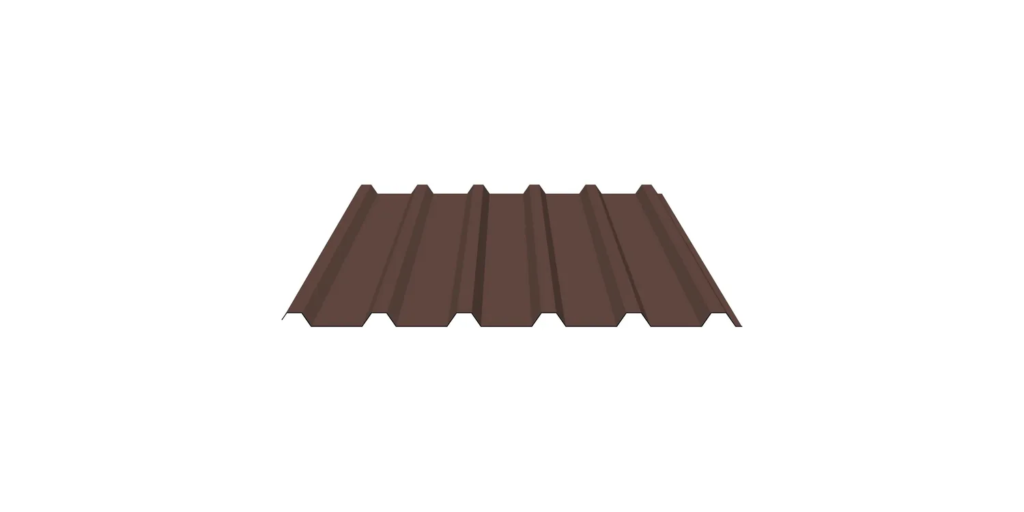
PVC plastisol-coated metal sheeting is widely regarded as one of the best all-round roofing materials for the UK's ever-changing weather conditions. Manufactured from galvanised steel with a thick PVC plastisol coating, these sheets provide exceptional protection against moisture, corrosion and UV exposure while accommodating the natural expansion and contraction caused by varying temperatures.
The robust coating is also highly resistant to scratches and minor impacts, making it particularly suitable for agricultural, industrial and commercial buildings where durability is essential. With proper installation and maintenance, PVC plastisol-coated roof sheets can provide decades of dependable performance in challenging weather conditions around the UK.
Key Benefits:
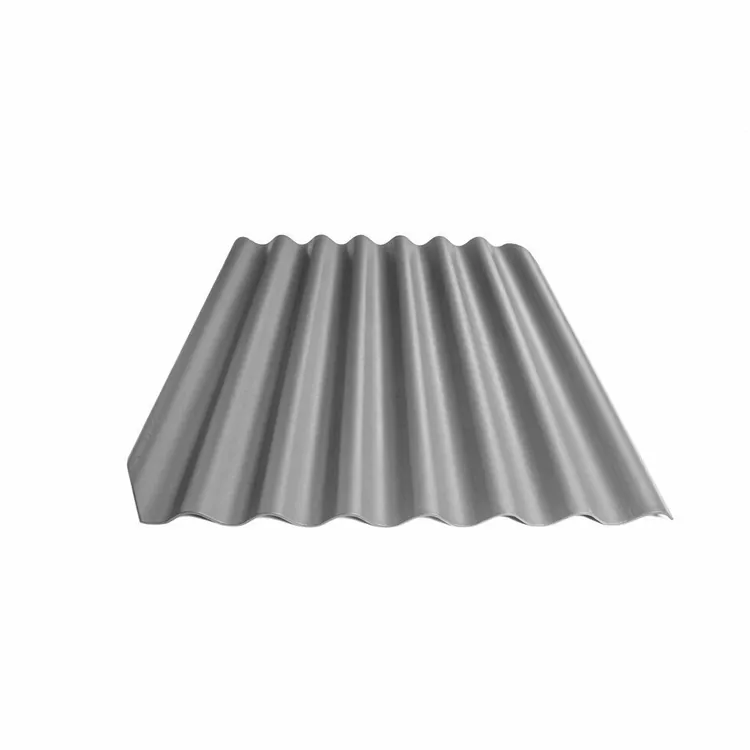
Fibre cement roof sheeting provides excellent stability in changing temperatures because it experiences very little thermal movement compared with metal roofing. This makes it an attractive option for buildings where minimising expansion and contraction is a priority. Fibre cement also provides natural acoustic benefits by reducing the sound of heavy rain, while offering good thermal performance throughout the year. Although heavier and more brittle than steel sheeting, its durability and resistance to rot, rust and moisture make it a reliable roofing solution for many agricultural and industrial buildings.
Key Benefits:
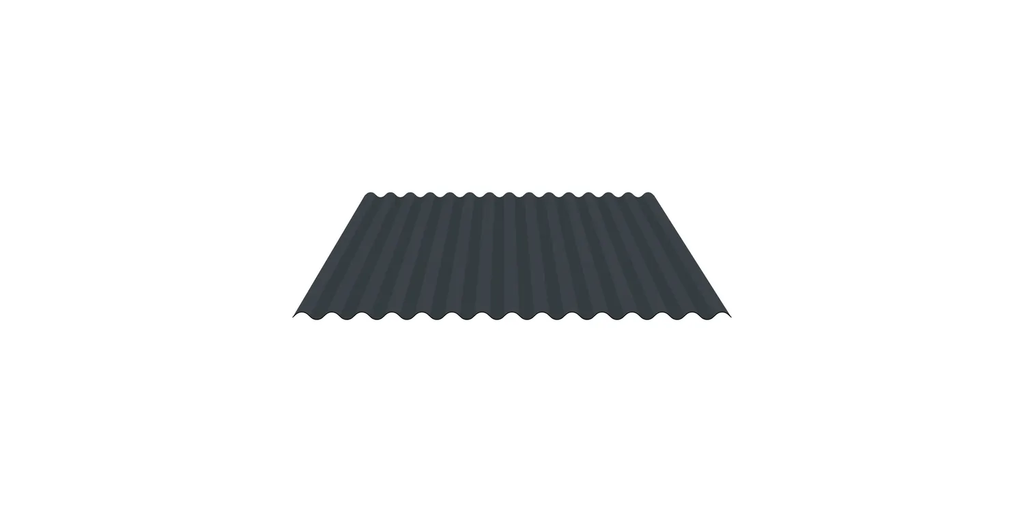
Polyester paint-coated metal sheeting provides an excellent balance between affordability and performance, making it one of the most popular choices for a wide variety of roofing applications. These sheets feature a thinner painted finish than plastisol-coated alternatives, offering solid protection against weather while maintaining an attractive appearance.
They perform well in the UK's changing climate when installed correctly, although the thinner coating means they may require more careful handling to avoid scratches during installation. For many domestic, commercial and light industrial projects, polyester paint-coated steel delivers reliable protection at a competitive price.
Key Benefits:
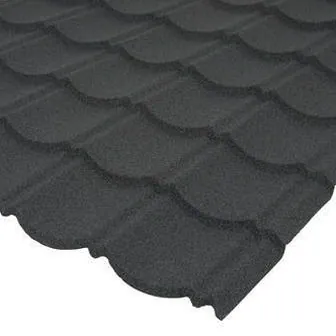
Tile-effect metal roofing - including systems such as Corotile - melds the traditional appearance of classic roof tiles with the strength and durability of lightweight steel. Designed to withstand the UK's variable weather conditions, these roofing sheets are engineered to resist corrosion while accommodating normal thermal movement throughout the seasons.
Their lightweight construction places less load on the roof structure than conventional roof tiles, making them suitable for both refurbishment projects and new builds alike. They also provide an attractive finish for homeowners who want the appearance of traditional roofing without sacrificing long-term performance.
Key Benefits:
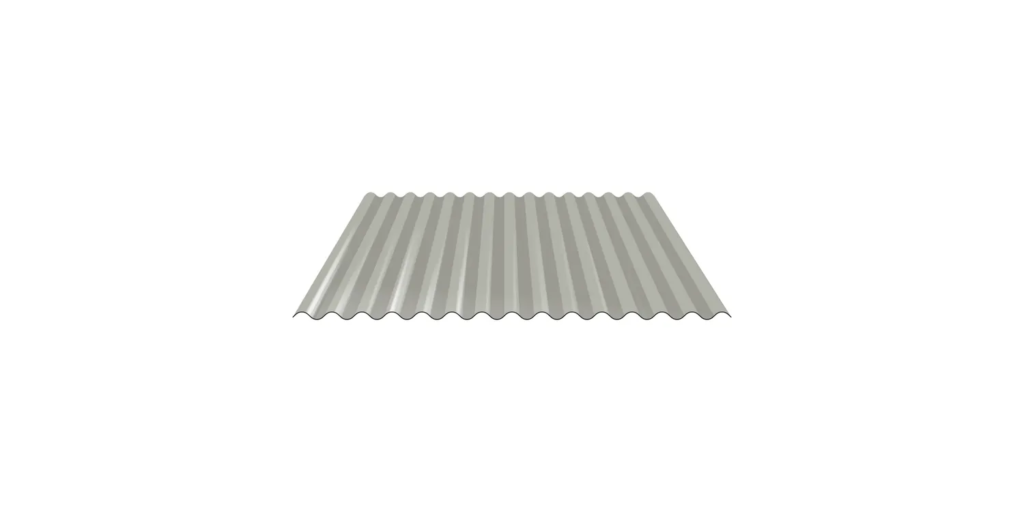
Galvanised steel roof sheeting has been used for decades because of its strength, affordability and proven reliability. Protected by a zinc coating, galvanised sheets provide solid resistance to corrosion and perform well under changing weather conditions.
While they do not offer the same level of long-term protection as PVC plastisol-coated alternatives, they remain an excellent choice for agricultural buildings, workshops, garages and storage facilities where cost-effectiveness is also an important consideration. Regular inspection and maintenance will help maximise the lifespan of galvanised roofing, particularly in coastal or highly corrosive environments.
Key Benefits:
Every roofing project has different requirements, but for buildings exposed to the UK's constantly changing weather, selecting a material that can withstand repeated thermal expansion and contraction is essential. PVC plastisol-coated steel has the best all-round performance for durability and corrosion resistance, while fibre cement delivers excellent stability with minimal thermal movement. Polyester paint-coated steel offers reliable value, tile-effect metal roofing creates a premium aesthetic without compromising strength, and galvanised steel remains a dependable, cost-friendly solution.
By matching the right roof sheeting material to your property, budget and intended use, you can improve the lifespan of your roof, reduce maintenance costs and ensure reliable protection throughout the shifting seasons. Investing in quality roof sheeting today can help avoid unnecessary repairs and provide lasting peace of mind for many years to come.