Whether you're gathering with friends and family, enhancing the visual appeal of your home or even looking to add value to your property, decking is a strong foundation for a wide range of attractive benefits. Decking home improvement projects have been surging in popularity since 2020 and show no signs of slowing down, especially as we move into the summer months.
As more and more homeowners look to transform their living areas into a strong and supremely stylish deck - putting the emphasis on socialising and utilising space in a more creative way - it's safe to say that the decking trend isn't going anywhere. However, when it comes to choosing the right decking material, many homeowners and installers are faced with a familiar dilemma: Do I choose real wood or composite decking?
Both have their own assets and advantages, price points and practicalities to consider. But one of the most vital things to think about when buying a new deck is longevity.
In our latest blog, Roof Giant will lay the decision-making groundwork for purchasing new decking boards, providing the answer to whether composite decking boards have the edge over wood decking in terms of lifespan.
What Is Composite Decking Made Of?
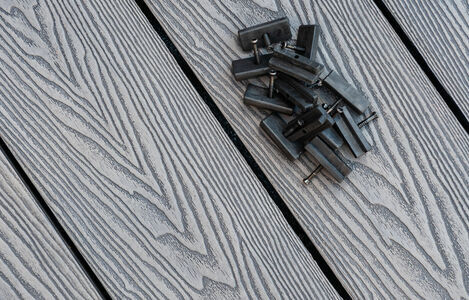
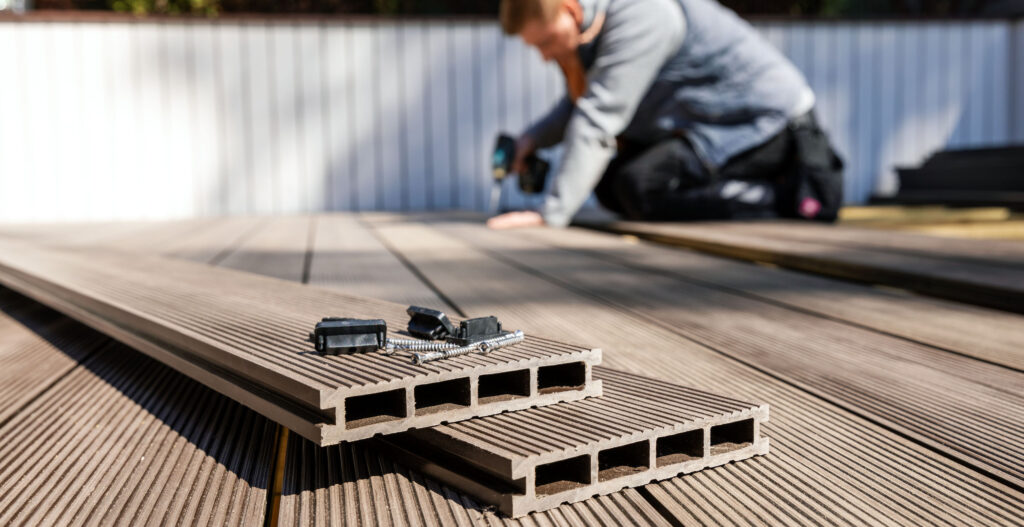
If you're unfamiliar, composite decking is typically made from a wood-fibre composite, consisting of a blend of wood fibres, plastics and a binding agent. Some can be made from 60% wood fibre, 30% HDPE and 10% chemicals, whereas others are comprised of a PVC-ASA composition consisting of a durable PVC material coated in a weather-resistant ASA (acrylic-styrene-acrylonitrile) resin shell.
Does Composite Decking Last Longer Than Real Wood Timber?
Due to the WPC (Wood Plastic Composite) make-up of composite decking boards, they're extremely weatherproof and remarkably resilient to rot, warping, corrosion, UV damage and cosmetic fading. These benefits are all key factors in the longevity of composite decking - and although lifespans will vary depending on the individual claims made by the manufacturers - your composite boards could last for as long as 25 years or more if properly maintained. For example, Cladco's offerings are backed by a 20-year stain and fade warranty. By comparison, real wood timber has an average lifespan of around 10-15 years, but this can be extended with proper care and maintenance.
Is Real Wood Timber Decking Still Worth It?
Natural timber decking is more affordable than composite decking. It's also sustainable, and one of the most eco-friendly hard landscaping products you can buy, giving you the most desirable real wood finish out there with solid durability as well. Over the course of its lifespan, timber will typically show signs of wear more quickly than composite decking, but if properly treated and maintained it will prove to be incredibly hardwearing and long-lasting.
Should I Buy Composite Or Real Wood Decking?
When weighing up whether to opt for timber or composite decking, you need to consider: