As temperatures drop across the UK, keeping your home warm and energy-efficient becomes a top priority. Many homeowners focus on their windows or central heating systems when trying to improve efficiency, yet one of the biggest culprits for energy loss is often overlooked - the roof. Upgrading your roofing system is one of the most effective ways to retain heat, lower energy bills and improve your property’s overall comfort during the colder months.
It’s estimated that around 25% of a home’s heat escapes through an uninsulated roof, according to the Energy Saving Trust. That means a quarter of the warmth you pay for could be disappearing into the winter sky. If your roof is poorly insulated, inadequately ventilated or damaged, you’re likely losing energy every day without realising it.
With energy prices remaining high, improving your roof’s thermal performance isn’t just a matter of comfort - it’s a financial investment. From upgraded insulation materials to reflective membranes and better ventilation systems, these small improvements can have a major impact on your home’s efficiency and sustainability.
Ignoring these issues can lead to condensation, mould growth and structural damage, which are far more expensive to repair in the long run. This guide will explain the most effective roofing upgrades that help you keep the heat in, lower energy bills and future-proof your home for many winters to come.
In our latest blog, Roof Giant will provide you with a range of vital roof insulating secrets to help combat the cold and stay warm when the mercury falls. From insulation upgrades and condensation prevention to ventilation and repair work - learn how to stop heat escaping from every angle with some of the best products and most trusted techniques on the market.
You might not think about your roof until something goes wrong, but it often reveals subtle signs that it’s not performing as it should. Heat loss isn’t always obvious; it creeps up over time through small gaps, worn materials, or insulation that’s past its best. Imagine standing in your loft on a cold winter’s evening - if the air feels noticeably cooler or you can sense a draught, it’s a clear sign that valuable warmth is seeping out.
Rising energy bills are another giveaway. If you find yourself constantly turning up the thermostat or your heating system seems to run longer to achieve the same comfort level, the problem could be above your head. Outside, take a look after a frost or light snowfall - if one section of the roof clears much faster than the rest, it’s likely to be losing heat unevenly. Over time, this can lead to condensation forming under the roof covering, damp patches on ceilings, or even mould growth inside your loft.
Key signs to look out for:
These early warning signs give you a chance to take action before small issues turn into expensive repairs. Identifying where heat is escaping helps you focus your upgrades where they’ll make the biggest impact.
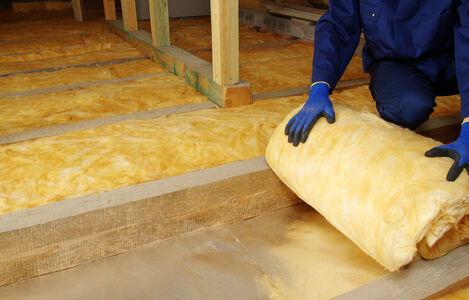
Think of insulation as your home’s winter jacket - without it, all that expensive warmth seeps out and leaves you cold. A properly insulated roof traps heat where you need it most, creating a comfortable living environment and reducing the strain on your heating system. Many older UK homes have inadequate insulation, with some lofts containing materials well below today’s recommended 270mm depth. Adding or upgrading insulation can transform a draughty property into a snug, energy-efficient space almost overnight.
For pitched roofs, mineral wool rolls are a cost-effective solution, filling the gaps between joists to stop heat rising into the loft void. Flat roofs, on the other hand, benefit from rigid foam insulation boards that provide continuous coverage and high thermal performance. Modern products like PIR boards offer excellent U-values, meaning better heat retention for less thickness - ideal for more limited spaces.
Tips for upgrading insulation:
Upgrading roof insulation is one of the most effective long-term investments you can make; it’s low maintenance, environmentally-friendly, and the energy savings often cover the initial cost within just a few years.
Condensation is one of the silent destroyers of roofing systems. It forms when warm, moist indoor air meets cold surfaces inside the roof structure, leading to damp insulation, decaying timber and even mould. A vapour control layer (VCL) acts as a protective barrier, blocking moisture before it can reach colder areas. It’s a small addition that has a major impact on your roof’s performance and longevity.
Without proper vapour control, your insulation can become saturated over time. Once wet, its thermal efficiency plummets, and drying it out can be very difficult - especially in winter. Installing a VCL below the insulation layer keeps the structure dry, ensuring your roof performs efficiently throughout the year. In new builds and energy-efficient retrofits, vapour control is now considered essential for maintaining airtightness and preventing costly moisture damage.
Practical advice for homeowners:
By managing condensation properly, you protect not only your roof but also your home’s indoor air quality - creating a warmer, healthier environment for the winter months.
While insulation keeps the heat in, your roof still needs to breathe. Without ventilation, trapped warm air can lead to condensation and dampness, undermining even the best insulation systems. Balanced airflow allows moisture to escape naturally, extending the lifespan of your roof and keeping your home’s internal climate stable.
Good ventilation isn’t about letting the cold in - it’s about maintaining the right level of circulation. Ridge vents, tile vents and soffit vents all work together to move air through the roof space, preventing mould, mildew, and wood decay. In modern homes with an airtight construction, this balance becomes even more critical, as the natural airflow that older homes benefited from is often missing.
Key actions to take:
A well-ventilated roof supports your insulation system, reduces the risk of condensation and helps you maintain a consistent indoor temperature - all crucial for keeping energy costs down.
Modern roofing technology has evolved beyond simply keeping the rain out. Reflective or “cool” roof membranes are designed to stabilise indoor temperatures by reducing heat absorption in summer and minimising thermal movement in winter. Though more commonly used in warmer climates, these membranes are becoming increasingly popular in the UK for their year-round energy benefits.
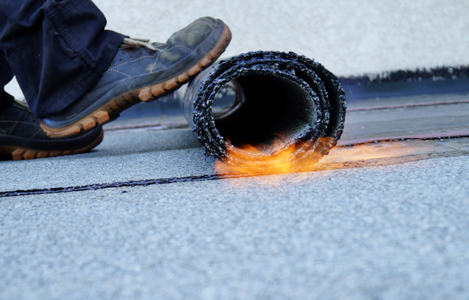
For flat roofs, single-ply membranes such as EPDM, TPO, or PVC not only improve insulation compatibility but also reflect sunlight, reducing internal temperature fluctuations that can cause materials to expand and contract. This helps preserve the integrity of the roof over time, while also contributing to lower energy consumption. When paired with quality insulation products, reflective membranes can help maintain comfortable temperatures indoors and extend the life of the roof covering itself.
Upgrade recommendations:
These membranes represent a smart, long-term investment for property owners seeking durability, energy efficiency and reduced maintenance in one solution.
Even the most energy-efficient home can suffer from heat loss if the roofing materials are compromised. A cracked tile, missing slate or torn membrane may seem minor, but small defects can allow warm air to escape and cold air or moisture to enter. Over time, these weaknesses can lead to water ingress, damp insulation and structural damage.
Regular maintenance is your first line of defence. A visual inspection - either from the ground by a homeowner or by a professional roofer - can identify problems before they escalate. Look for displaced tiles after high winds, damaged flashing around chimneys, or debris clogging the gutters. These issues not only reduce energy efficiency but also increase the risk of costly repairs during harsh winter weather.
Steps for maintaining your roof:
A roof in good repair not only keeps the elements out but also ensures your insulation and ventilation systems can do their jobs effectively. Staying proactive with maintenance will keep your home warmer, drier and more energy-efficient all year round.
When considering roofing improvements, understanding the financial return can help prioritise your investment. Efficient roofing doesn’t just provide warmth; it delivers measurable savings that accumulate over time.
What you can expect:
By improving your roof now, you can enjoy a warmer home, reduced energy spending, and increased peace of mind through the coldest months.
Choosing the right products is essential to maximising your roof’s performance. From insulation materials to membranes and accessories, the right combination ensures long-term durability and savings.
Recommended products & materials:
Each of these upgrades plays a role in improving efficiency and protecting your home’s structure throughout the winter season.
Conclusion
Roofing upgrades are one of the most effective ways to cut winter energy costs and improve the comfort of your home. From insulation and vapour barriers to ventilation and modern membranes, each improvement adds another layer of efficiency and protection. Investing in your roof today not only helps you stay warmer through the coldest months, but also increases your property’s value and sustainability for years to come.
If you’re ready to improve your home’s energy efficiency, explore Roof Giant’s wide range of insulation materials, roofing membranes, and ventilation solutions - everything you need to keep the heat in and the cold out this winter.