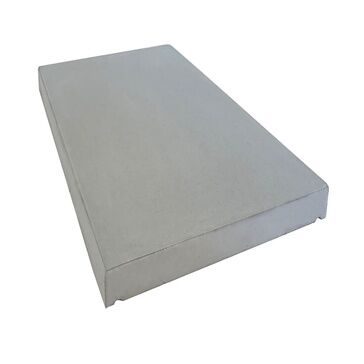
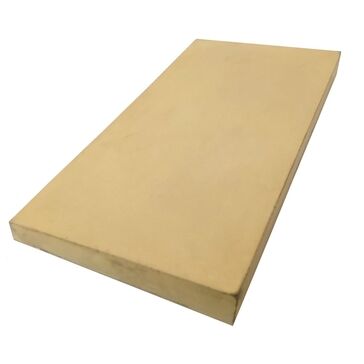
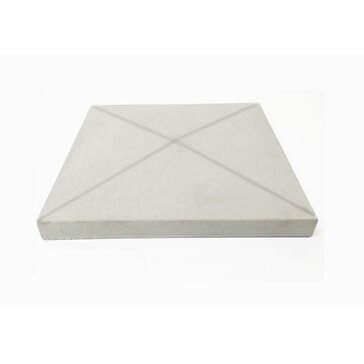
We're proud to offer a range of high-quality once weathered coping stones that are perfect for any wall or roofing project. These stones have a unique design that allows them to channel rainwater away in the direction you desire, protecting your roof from water damage. Once weathered coping stones are a great choice for any masonry that needs protection from rainwater as they can help to extend its lifespan and prevent water ingress.
Our single weathered coping stones come in a variety of sizes and styles to fit your specific needs. Reinforced for superior strength and longevity, they are made from high-quality materials designed to withstand tough UK weather conditions and provide long-lasting protection. Whether you are looking for a traditional or modern look, you'll find the perfect once weathered coping stones for any application.
If this isn't quite what you're looking for, please browse our range of twice weathered, porcelain or granite coping stones. And don't forget your pier caps to finish the look.
What are coping stones?
Coping stones are protective caps placed on top of walls, parapets or flat roof edges. Their main purpose is to protect the wall beneath from rainwater and weather damage.
They are usually designed with a sloped (weathered) surface and drip grooves so that rainwater runs away from the wall instead of down the face of the masonry. This helps prevent water penetration, staining, and long-term structural damage.
Coping stones are commonly used on:
How do you install coping stones?
Coping stones are typically installed on top of a wall using mortar or a specialist adhesive. For taller walls or exposed roof areas, coping stones may also require mechanical fixings to provide additional security against wind uplift.
For detailed installation advice, you can visit our coping stones guide.
What is the difference between single weathered and twice weathered coping stones?
The difference is the direction of the slope on the top of the coping stone.
Twice weathered coping stones:
Twice weathered coping stones are generally the most popular option because they protect both sides of the wall equally.
How much overhang should coping stones have?
Coping stones should normally overhang the wall by 25-40mm on each side, but we recommend following the manufacturer's recommendations.
The overhang is important because it allows rainwater to drip away from the wall rather than running down the face of the masonry. Most coping stones also include drip grooves underneath, which further help direct water away and prevent staining or water damage.
What material is best for coping stones?
The best coping stone material depends on the style of the project and budget, plus your own personal preference.
Common options include:
Concrete coping stones are typically the most popular choice for garden walls and roofing projects due to their durability and cost-effectiveness. You can find more details on each type of coping stone in our more in-depth coping stones FAQs.